20 May 2026
The Unexpected Links Between Routine Maintenance Checks and Preventing Widespread Digital Vulnerabilities in Connected Offices
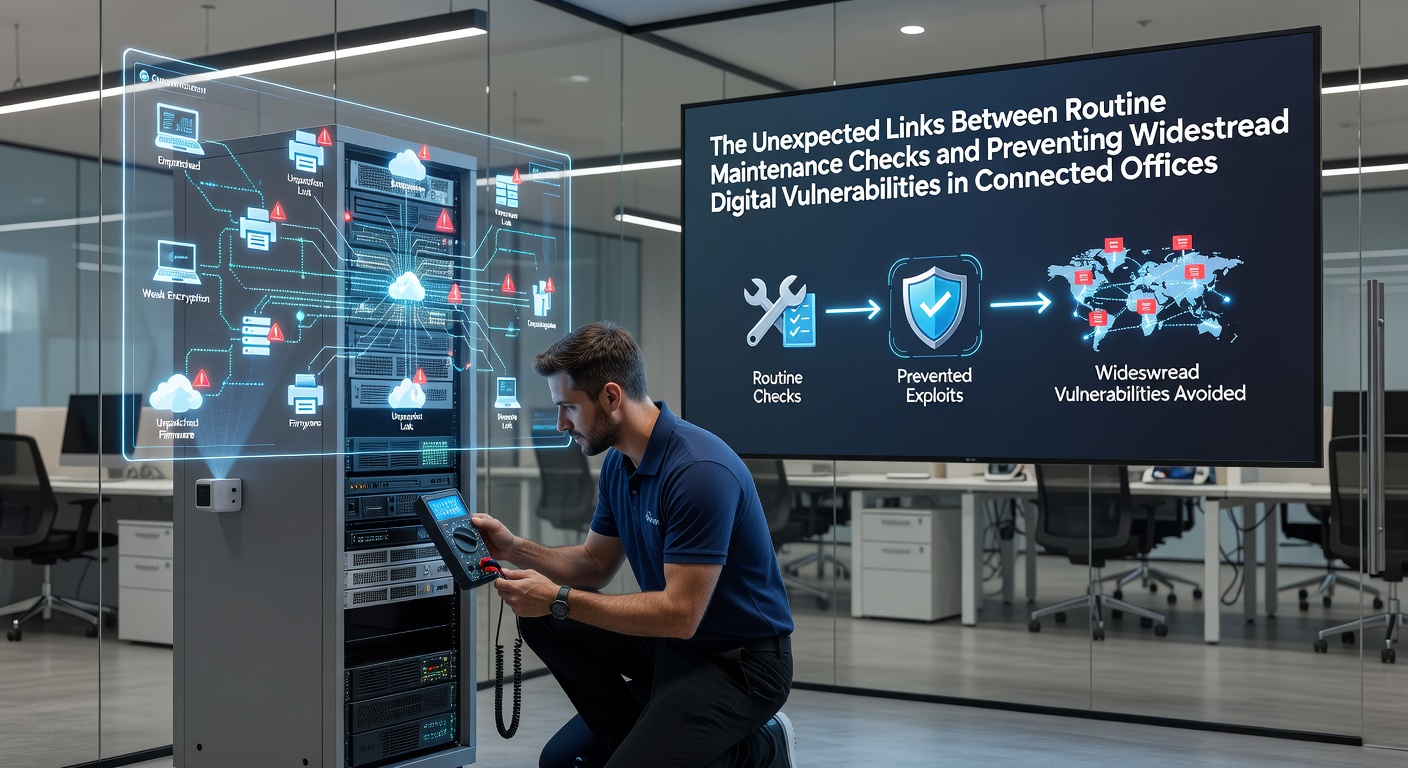
Connected offices rely on networks of devices that communicate constantly, and routine maintenance checks serve as the foundation for keeping those systems secure from emerging digital threats. Observers note that when teams conduct regular inspections of hardware, software updates, and network configurations, they often uncover small issues before those problems expand into larger vulnerabilities that affect multiple users across an organization.
Data from various industry reports shows that offices with scheduled maintenance protocols experience fewer incidents of unauthorized access, since outdated firmware on routers or IoT sensors creates entry points that attackers exploit during broader campaigns. Researchers discovered that connecting these checks directly to vulnerability scans allows administrators to patch weaknesses in real time, which prevents the kind of chain reactions seen when one compromised device spreads malware throughout an entire workspace.
How Maintenance Routines Address Core Network Weaknesses
Experts have observed that daily or weekly reviews of device logs and connection statuses reveal patterns that point to potential exploits, such as unusual traffic spikes or failed authentication attempts. These findings matter because connected offices increasingly incorporate smart printers, conference systems, and environmental controls that all share the same network backbone, so a single unaddressed flaw can open pathways for widespread disruption. According to studies from the European Union Agency for Cybersecurity, organizations that integrate firmware verification into their maintenance schedules reduce exposure to known threats by addressing them at the source rather than reacting after an incident occurs.
Maintenance teams also monitor power cycles and temperature readings on servers and switches, since overheating hardware tends to trigger automatic restarts that leave temporary security gaps during reboots. People who've tracked these events over time find that consistent calibration of these components keeps systems stable and limits opportunities for external interference. And the process extends to reviewing user access permissions during each check, ensuring that former employees or temporary contractors no longer retain credentials that could be leveraged in targeted attacks.
Integration of Software Updates Within Scheduled Checks
Software patches form another critical layer, and when maintenance includes automated verification of operating systems and applications, vulnerabilities listed in public databases get resolved before exploitation becomes feasible. Data indicates that offices adopting this approach see measurable declines in successful phishing attempts that rely on unpatched email clients or collaboration tools. What's interesting is how these updates intersect with hardware diagnostics, because drivers that control network cards must remain current to maintain encrypted tunnels and prevent interception of sensitive files shared across departments.
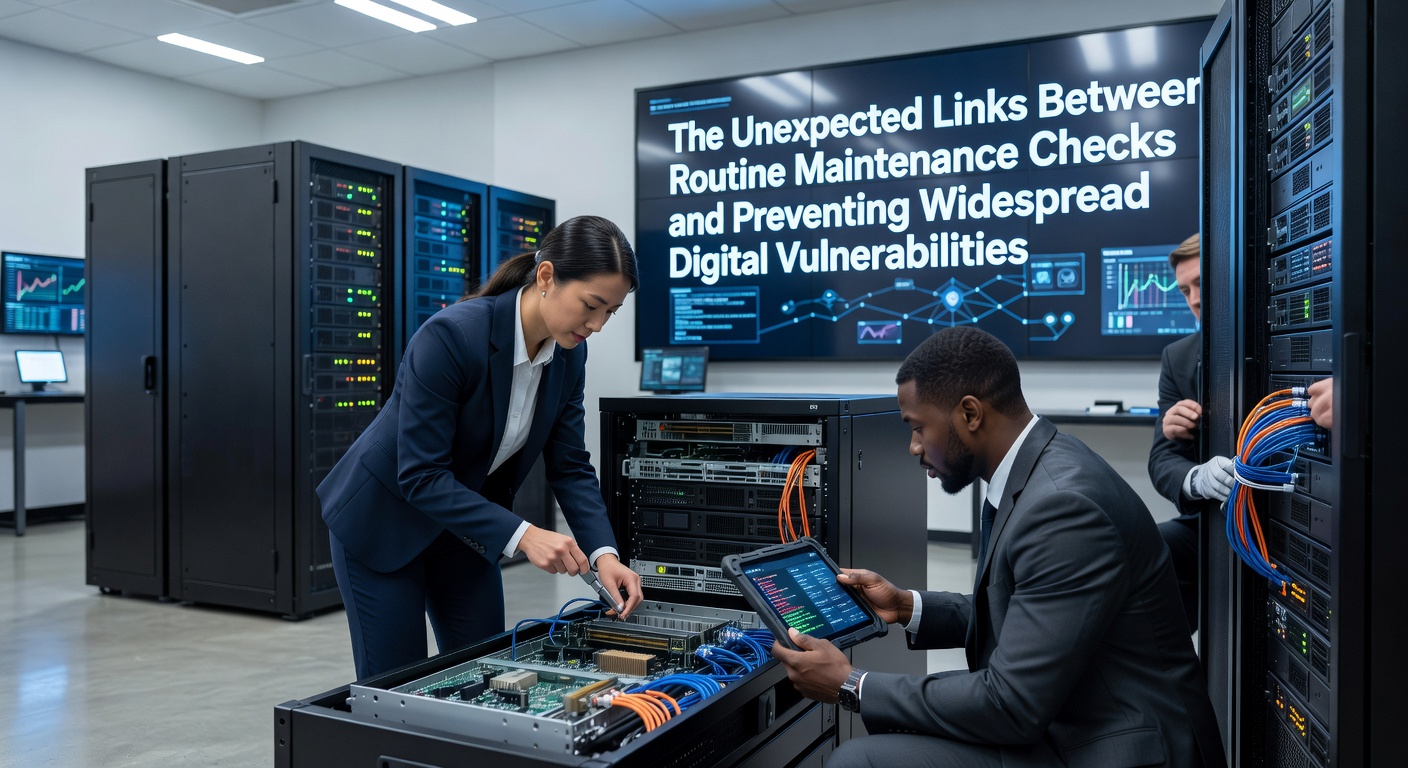
By May 2026, projections from multiple research institutions highlight an expected increase in interconnected devices per office, reaching averages above fifty units in mid-sized environments, which amplifies the need for synchronized update cycles. Technicians who align these cycles with quarterly security audits create layered defenses that address both legacy equipment and newer wireless peripherals simultaneously. One case involved a firm that identified an outdated protocol in its access points during a standard inspection, and resolving it stopped lateral movement attempts that had gone undetected in previous months.
Monitoring and Early Detection Across Connected Systems
Continuous monitoring during maintenance windows captures metrics on bandwidth usage and device responsiveness, which helps identify anomalies that signal attempted intrusions or misconfigurations. Observers note that these metrics become especially valuable in hybrid setups where employees connect from various locations, since each remote session introduces variables that routine checks can standardize through centralized policy enforcement. Evidence suggests that linking maintenance data to threat intelligence feeds allows teams to prioritize patches based on active exploit trends rather than generic schedules alone.
Hardware checks extend to cable integrity and port functionality, because physical wear can create intermittent connections that disrupt security protocols and force fallback to less secure modes. Researchers discovered that documenting these physical inspections alongside digital scans produces comprehensive reports that support compliance requirements from regulatory bodies in different regions. Australian government cybersecurity guidelines, for instance, emphasize similar practices for maintaining resilience in business networks that handle client data across multiple sites.
Building Resilience Through Consistent Practices
Training sessions tied to maintenance routines ensure staff recognize signs of tampering or unusual device behavior, which adds a human element to automated detection tools. Those who've studied implementation across sectors report that this combination reduces response times when anomalies surface, since everyone involved understands the baseline performance established during prior checks. The approach also covers backup verification, confirming that data replicas remain accessible and uncorrupted after each maintenance cycle completes.
What's significant is the way these interconnected checks create feedback loops, where insights from one area inform adjustments in another, such as adjusting firewall rules after noticing repeated connection attempts from specific IP ranges. Academic analyses from institutions like those publishing through the IEEE further support that systematic maintenance correlates with lower rates of successful ransomware deployments in office environments reliant on always-on connectivity.
Conclusion
Routine maintenance checks in connected offices function as proactive barriers against digital vulnerabilities by addressing hardware conditions, software currency, and network configurations in coordinated sequences. Evidence from multiple sources demonstrates that these practices limit the spread of threats across shared systems, particularly as device counts grow and remote access becomes standard. Organizations that maintain detailed records of their checks position themselves to adapt quickly when new risks emerge, turning regular procedures into reliable components of overall security frameworks.