The Interplay of Peripheral Timing and Distributed Deployment Schedules in Tech Advisory Frameworks
Ulrich Neumann · Jul 22, 2026
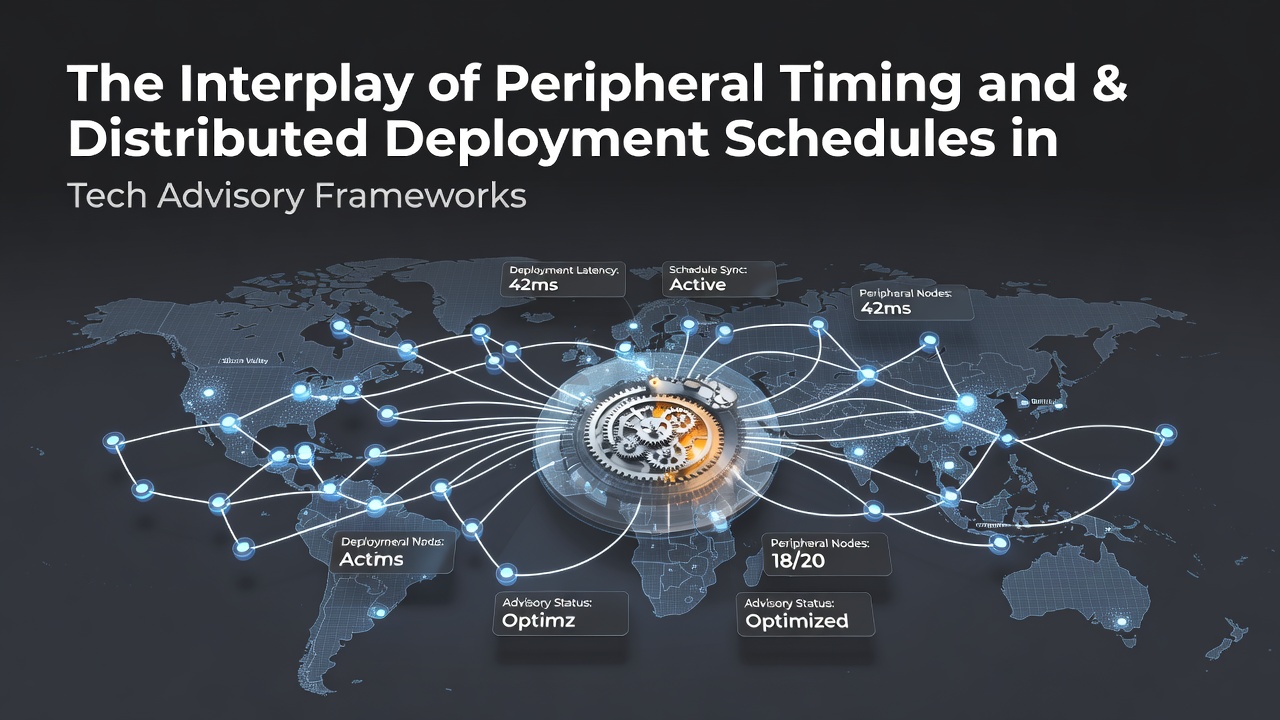
The Interplay of Peripheral Timing and Distributed Deployment Schedules in Tech Advisory Frameworks
Peripheral timing involves the precise scheduling of device calibrations, firmware checks, and hardware updates while distributed deployment schedules coordinate software rollouts across remote locations, and tech advisory frameworks integrate these elements to maintain operational continuity in complex environments.
Core Elements of Peripheral Timing
Researchers at various institutions track how peripheral devices such as printers, scanners, and IoT sensors require synchronized updates that align with broader network cycles, and data from multiple studies shows that misalignment often leads to extended downtime windows during enterprise operations. Experts observe that calibration sequences must account for device-specific latency factors, yet these sequences integrate into larger deployment timelines without disrupting active user sessions across scattered facilities.
Distributed Deployment Mechanics
Deployment schedules spread software packages, security patches, and configuration changes through phased releases that reach endpoints at different intervals, and figures from industry reports indicate that organizations managing over 500 remote nodes typically adopt staggered timelines to reduce bandwidth strain. Those who coordinate these schedules factor in regional time zones, network capacity variations, and hardware compatibility layers, while automated tools monitor progress and adjust pacing based on real-time feedback from centralized dashboards.
Advisory frameworks bring structure to these processes by mapping dependencies between peripheral actions and deployment waves, and evidence from documented implementations reveals that frameworks often incorporate dependency graphs to visualize how a delayed printer firmware update might cascade into application compatibility issues on connected workstations. Observers note that successful frameworks draw from standards developed by bodies such as the National Institute of Standards and Technology, which outlines phased verification steps for distributed environments.
Synchronization Challenges in Practice
Timing conflicts surface when peripheral calibrations overlap with critical deployment phases, and case analyses from enterprise settings demonstrate that such overlaps extend resolution times by factors of two to three during high-volume rollout periods. Teams address these issues through buffer zones inserted into schedules, yet buffer sizing depends on historical performance metrics gathered from similar device clusters. What's interesting is how data flows from endpoint monitoring systems feed directly into advisory models that predict optimal windows for both peripheral and deployment tasks.
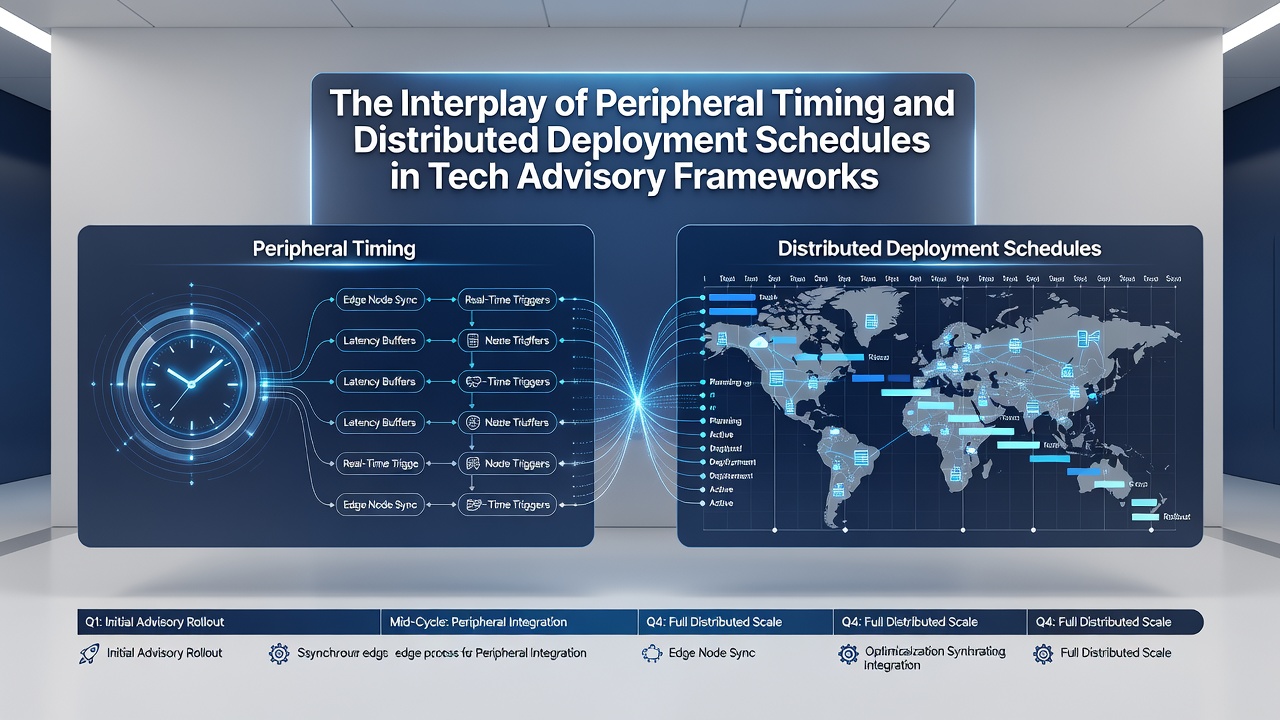
Advisors apply these models when guiding clients through hybrid work transitions, and reports compiled by the European Union Agency for Cybersecurity highlight patterns where coordinated timing reduced incident rates in distributed setups during 2025 testing cycles. Plans for July 2026 include expanded testing of AI-assisted timing predictors that analyze usage rhythms across satellite-linked infrastructures to refine deployment sequences further.
Integration Within Advisory Frameworks
Frameworks structure advisory recommendations around layered timelines that treat peripheral timing as a foundational layer beneath distributed deployments, and practitioners document how this layering supports compliance requirements in regulated sectors. Data collected from multi-year tracking efforts shows measurable improvements in system uptime when advisory teams enforce explicit synchronization protocols during planning stages. People managing these frameworks often reference diagnostic data streams that originate from end-user devices and converge at central platforms for accelerated decision-making.
Permission cascades and access control layers receive attention within these same frameworks because automated update chains can alter device privileges across clusters, and research indicates that mapping these effects early prevents unauthorized access pathways from emerging during staggered rollouts. Advisors therefore embed permission verification checkpoints into both peripheral and deployment schedules to maintain consistent security postures.
Conclusion
The interplay between peripheral timing and distributed deployment schedules shapes how tech advisory frameworks deliver reliable outcomes across enterprise landscapes, and continued refinement of synchronization methods supports stable operations amid growing device diversity and geographic spread. Data-driven adjustments keep these systems aligned with evolving infrastructure demands.