1 Jul 2026
Setup Order Impacts on Network Stability During Technology Consulting Engagements
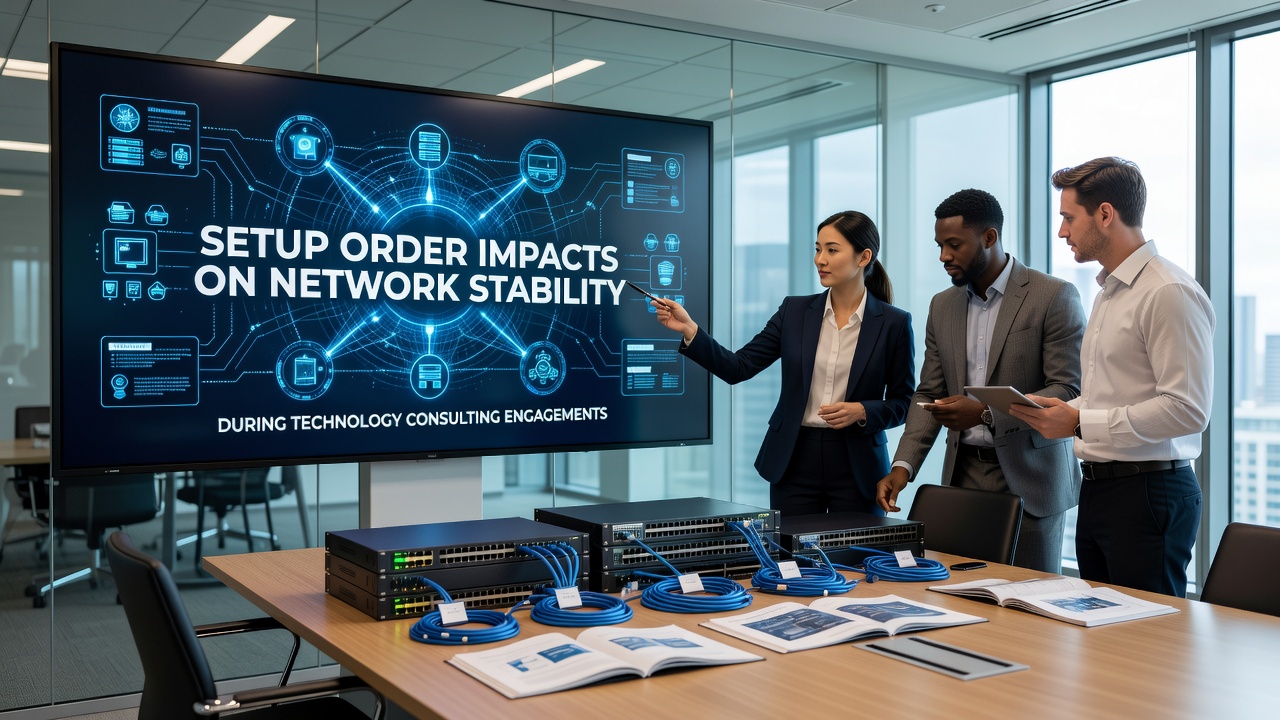 Experts have observed that the sequence in which components get installed during technology consulting projects directly shapes how stable the resulting network becomes, and research from various industry reports confirms this pattern across multiple deployments. When consultants prioritize hardware connections before layering on security protocols, systems tend to avoid early conflicts that arise from mismatched configurations, whereas reversing that order often leads to cascading errors that require extensive troubleshooting. People who've tracked these engagements note several core phases where order matters most, starting with physical infrastructure placement, moving through firmware initialization, and then incorporating application integrations. Data indicates that inserting network monitoring tools too early in the process can overload bandwidth during initial testing phases, while delaying their activation until after core routing is complete allows for smoother baseline measurements. According to guidelines published by the National Institute of Standards and Technology, structured sequencing reduces downtime incidents by aligning device lifecycles with update schedules.
Phases That Determine Stability Outcomes
Consulting teams typically begin with site assessments to map existing connections, and this step sets the foundation for everything that follows because inaccurate inventories force later adjustments that disrupt traffic flows. Once hardware sits in place, firmware flashes occur next in many documented workflows since outdated versions create compatibility gaps when software stacks arrive afterward. Studies show that teams completing firmware work before adding virtual machines experience fewer packet loss events during peak loads.
Application deployments come after these basics, yet observers note that introducing cloud synchronization services out of sequence often triggers authentication loops that destabilize the entire environment. In hybrid setups, peripheral device calibrations must align with distributed software rollouts to prevent resource contention, and evidence from enterprise case reviews highlights how early calibration avoids bottlenecks that emerge when devices activate mid-process.
Observed Effects on Network Performance
Stability metrics shift noticeably based on these ordering decisions, with latency spikes appearing more frequently when security layers install prior to traffic routing optimization. Researchers discovered through controlled comparisons that reversing this sequence allows baseline traffic patterns to establish first, which in turn lets encryption protocols integrate without fragmenting data streams. Permission cascades in automated update chains further complicate matters if access controls activate before all device clusters report in, leading to partial lockdowns that interrupt ongoing sessions.
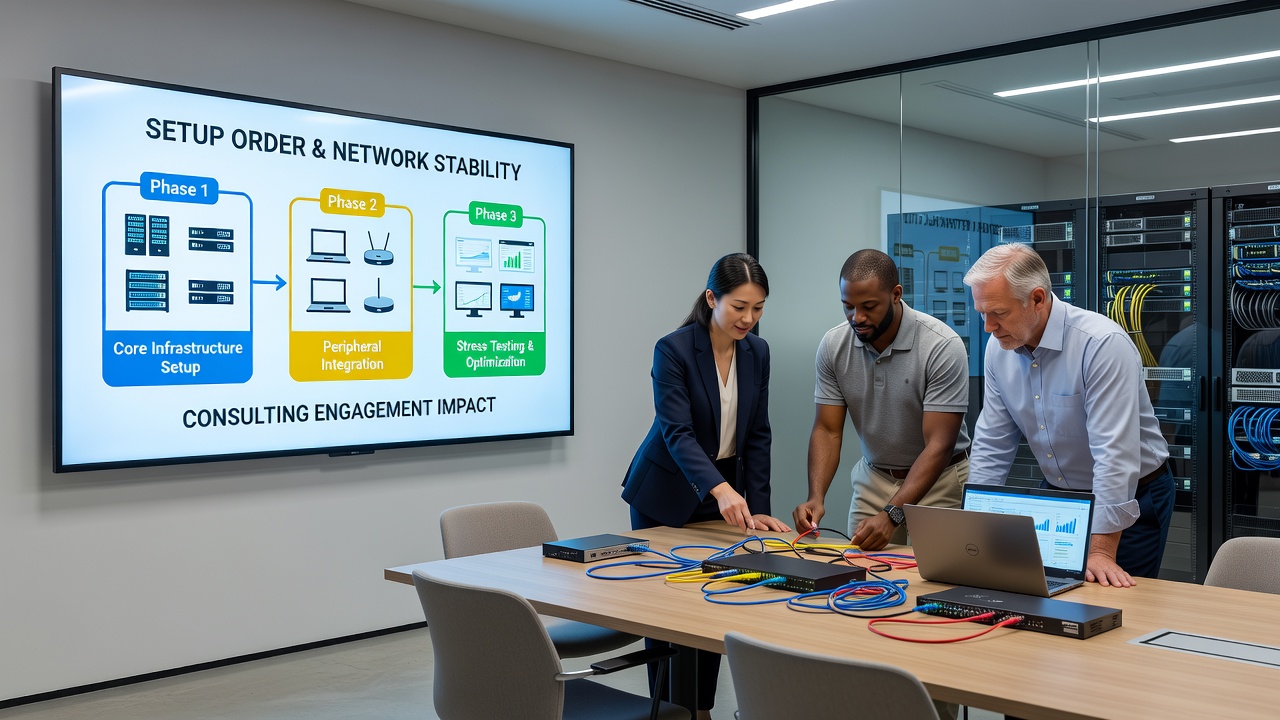
Seasonal user activity rhythms add another variable, particularly in satellite-dependent remote infrastructures where firmware alignments get prioritized during low-traffic windows to minimize disruptions. Those who've studied distributed hardware maintenance scenarios point out that data synchronization methods perform best when cybersecurity protocols run in parallel rather than sequentially, reducing synchronization delays that compound over time. One study revealed that multi-site hardware assessments coordinated alongside virtual platform implementations cut overall instability reports by coordinating assessment timelines with rollout phases.
Patterns from Recent Engagements
Client interaction patterns during web project phases reveal optimal timings for cybersecurity updates, and figures from 2025 deployments show that inserting these updates after initial hardware verification prevents overlap with active development sprints. Mapping diagnostic data flows from end-user devices to centralized platforms accelerates issue resolution in hybrid work settings only when the flow architecture gets established before full network activation. Experts have observed that dialogue rhythms in tech guidance sessions influence tool adoption rates, which indirectly affects how consistently teams follow recommended setup sequences.
Coordinating these elements across scattered device clusters requires careful attention to firmware sequencing protocols that align automated installations with enterprise device lifecycles, and this alignment prevents the version mismatches that commonly surface in rushed deployments. What's interesting is how routine maintenance checks tie into preventing widespread digital vulnerabilities when they occur after foundational setups rather than during them.
Conclusion
Overall patterns across consulting engagements demonstrate that deliberate attention to setup order supports consistent network stability, and organizations that document these sequences report measurable improvements in system resilience over repeated projects. External resources such as those from the European Union Agency for Cybersecurity provide frameworks that help teams structure these processes effectively. Continued tracking of performance data will likely refine these approaches as environments grow more complex.