18 May 2026
Securing Virtual Workspaces: How Tech Advisors Blend Cybersecurity with Hardware Checks and Cloud Tools for Stable Network Builds
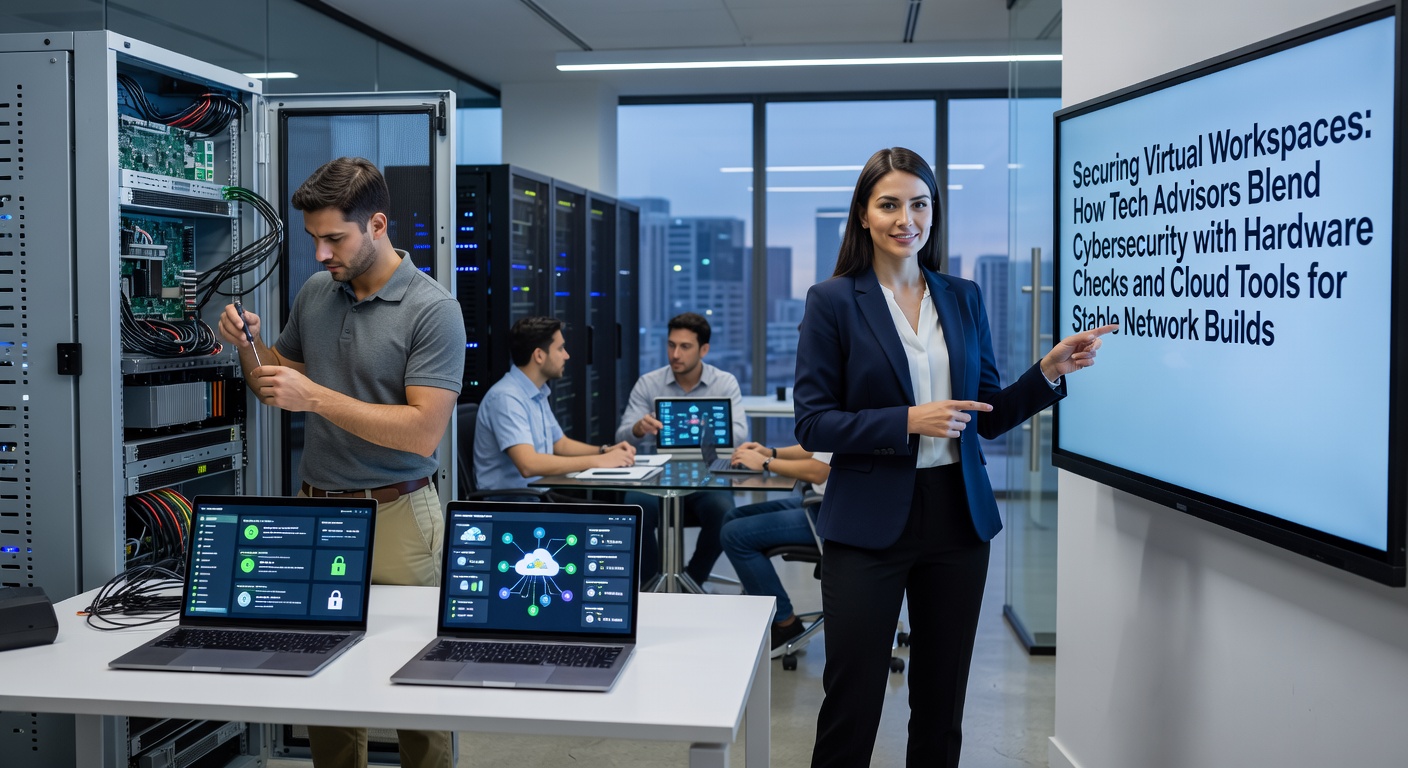
Virtual workspaces continue to expand as organizations adapt to distributed teams and flexible operations, yet these setups introduce layers of risk that demand integrated approaches. Tech advisors address these challenges by combining cybersecurity protocols with routine hardware assessments and cloud-based resources to create reliable network foundations. Data from industry reports indicate that hybrid work models grew significantly through 2025, pushing companies to strengthen both digital defenses and physical components in tandem.
Understanding the Core Elements of Virtual Workspace Security
Tech advisors begin by mapping out the interplay between software protections and tangible device integrity, since vulnerabilities in one area often expose weaknesses in the other. Cybersecurity practices encompass encryption standards, access controls, and threat monitoring systems that guard against unauthorized entry. At the same time, hardware checks involve systematic evaluations of processors, memory modules, and peripheral connections to detect degradation or tampering before issues escalate. Cloud tools supply scalable storage, real-time collaboration platforms, and automated backup services that maintain continuity during network fluctuations.
Observers note that successful implementations treat these components as interconnected rather than isolated tasks. For instance, a firm using remote monitoring software can flag both suspicious login patterns and failing hard drives within the same dashboard. This unified view allows advisors to respond promptly and prevent disruptions that might otherwise affect productivity across multiple sites.
Integrating Cybersecurity Measures with Hardware Verification
Effective security strategies require advisors to perform hardware verifications alongside digital safeguards. Regular scans check for firmware updates, BIOS integrity, and physical port security while cybersecurity layers enforce multi-factor authentication and endpoint detection. Research from the National Institute of Standards and Technology highlights how aligning these processes reduces breach incidents by addressing root causes that range from outdated components to weak authentication flows. NIST cybersecurity framework guidelines provide structured steps that advisors adapt for virtual environments.
Case examples show teams running automated scripts that cross-reference hardware logs with security event data. When a laptop's storage drive shows early signs of failure, the system simultaneously isolates the device from sensitive cloud repositories. Such coordinated responses maintain operational stability without halting workflows for extended periods.
Leveraging Cloud Tools for Network Stability and Resilience
Cloud platforms serve as the connective tissue that ties cybersecurity and hardware management together. Services from providers like Microsoft Azure and Amazon Web Services enable centralized policy enforcement, instant resource scaling, and redundant pathways that keep networks functional during localized failures. Advisors configure these tools to trigger alerts when hardware metrics deviate from baselines or when cyber threats attempt lateral movement across virtual instances.
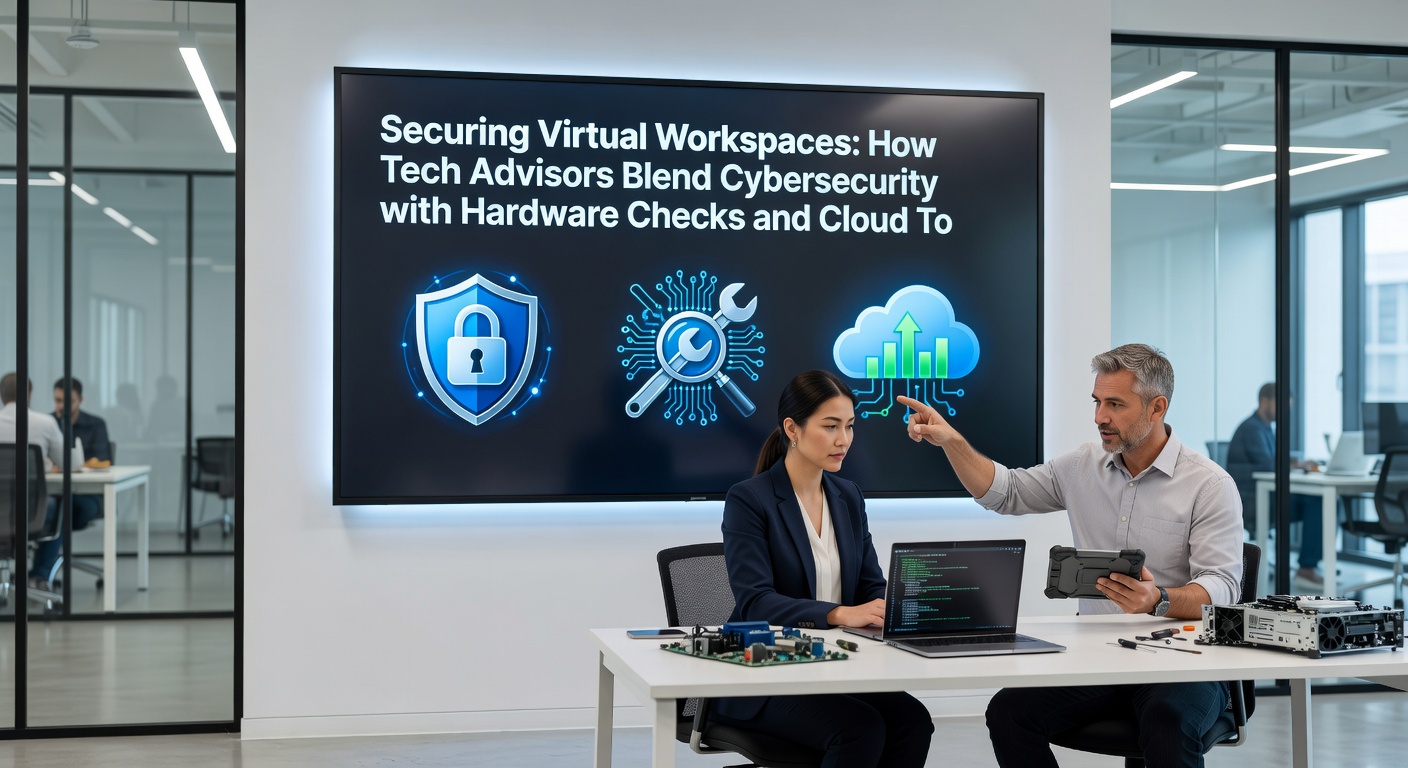
By May 2026, updates to major cloud services had introduced enhanced hardware attestation features that verify device trustworthiness before granting network access. This development allows advisors to extend zero-trust models beyond software credentials and into the physical layer. Organizations that adopted these capabilities reported smoother transitions during peak usage periods because redundant cloud instances absorbed workloads when individual endpoints required maintenance.
Building Stable Network Foundations Through Combined Practices
Stable network builds emerge when advisors sequence their efforts logically. Initial assessments establish baseline security postures and hardware conditions across all virtual nodes. Subsequent phases deploy cloud orchestration to automate routine checks and enforce consistent policies. Continuous monitoring closes the loop by feeding performance data back into both cybersecurity dashboards and hardware maintenance schedules.
Industry analyses from the Australian Cyber Security Centre illustrate how such layered strategies lowered downtime rates in enterprise deployments during recent years. Advisors who follow these patterns often incorporate predictive analytics that forecast potential hardware failures based on usage trends and correlate them with emerging threat intelligence. The result is a network architecture that withstands both gradual wear and sudden security incidents.
Conclusion
Tech advisors achieve robust virtual workspaces by weaving cybersecurity protocols, hardware diagnostics, and cloud capabilities into cohesive systems. This integration supports stable network performance while mitigating risks that arise in distributed environments. Organizations that apply these methods position themselves to handle evolving demands with greater consistency and fewer interruptions.