Seasonal Activity Cycles Guiding Prioritized Peripheral Calibrations During Enterprise Cloud Transitions
Theo Richter · Jul 31, 2026
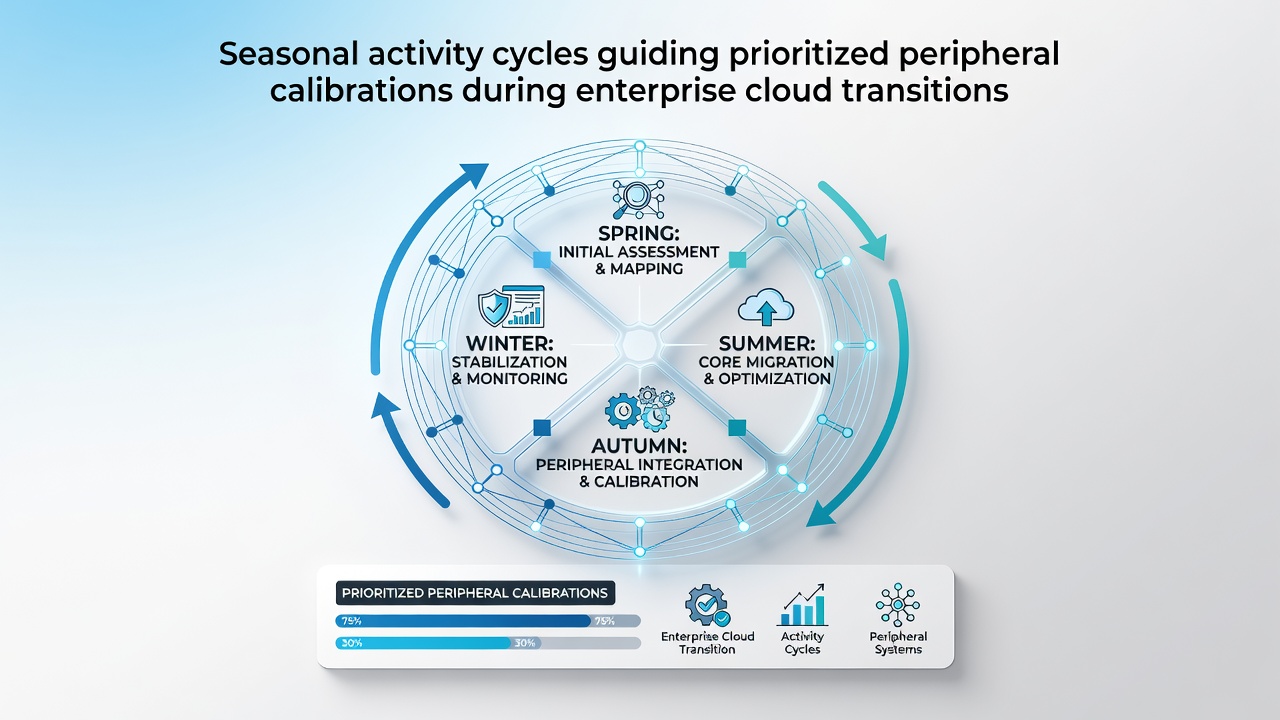
Seasonal Activity Cycles Guiding Prioritized Peripheral Calibrations During Enterprise Cloud Transitions
Enterprises undergoing cloud transitions often align peripheral calibrations with observed seasonal activity cycles because user demand for devices such as scanners, printers, and input terminals fluctuates throughout the year, and data from multiple migration projects shows that matching calibration schedules to these rhythms reduces downtime during peak periods. Researchers tracking enterprise IT deployments have documented consistent patterns where activity spikes in the final quarter coincide with increased reporting requirements while summer months typically see reduced volumes that allow for more extensive hardware adjustments without disrupting operations.
Patterns in User Activity Across Calendar Quarters
Analysis of network logs from distributed organizations reveals that activity levels rise sharply in October through December as fiscal reporting deadlines approach, and this surge places greater stress on peripherals connected to cloud platforms, whereas January through March frequently shows stabilization that permits teams to address lingering configuration issues before new cycles begin. In July 2026 several large-scale migrations tracked by industry analysts demonstrated how organizations scheduled intensive peripheral checks during lower-activity summer windows, which allowed calibration routines to complete without competing against high-volume transaction periods.
Observers note that educational institutions and government agencies contribute distinct seasonal signals because academic calendars drive usage peaks around registration periods while public sector reporting requirements cluster around budget cycles, and enterprises serving these sectors adjust their cloud transition timelines accordingly to avoid conflicts with device-intensive workflows. Data collected across hybrid environments indicates that ignoring these rhythms leads to higher incident rates when uncalibrated peripherals encounter sudden load increases after migration cutover dates.
Linking Seasonal Rhythms to Calibration Priorities
Teams responsible for enterprise cloud transitions examine historical usage metrics to determine which peripherals require immediate attention versus those that can wait until quieter intervals, and this prioritization process draws on aggregated telemetry that highlights devices with the highest seasonal variance. When activity data shows elevated printing or scanning volumes during specific months, calibration sequences target those endpoints first so that cloud-hosted applications receive reliable input streams from day one of the new infrastructure.
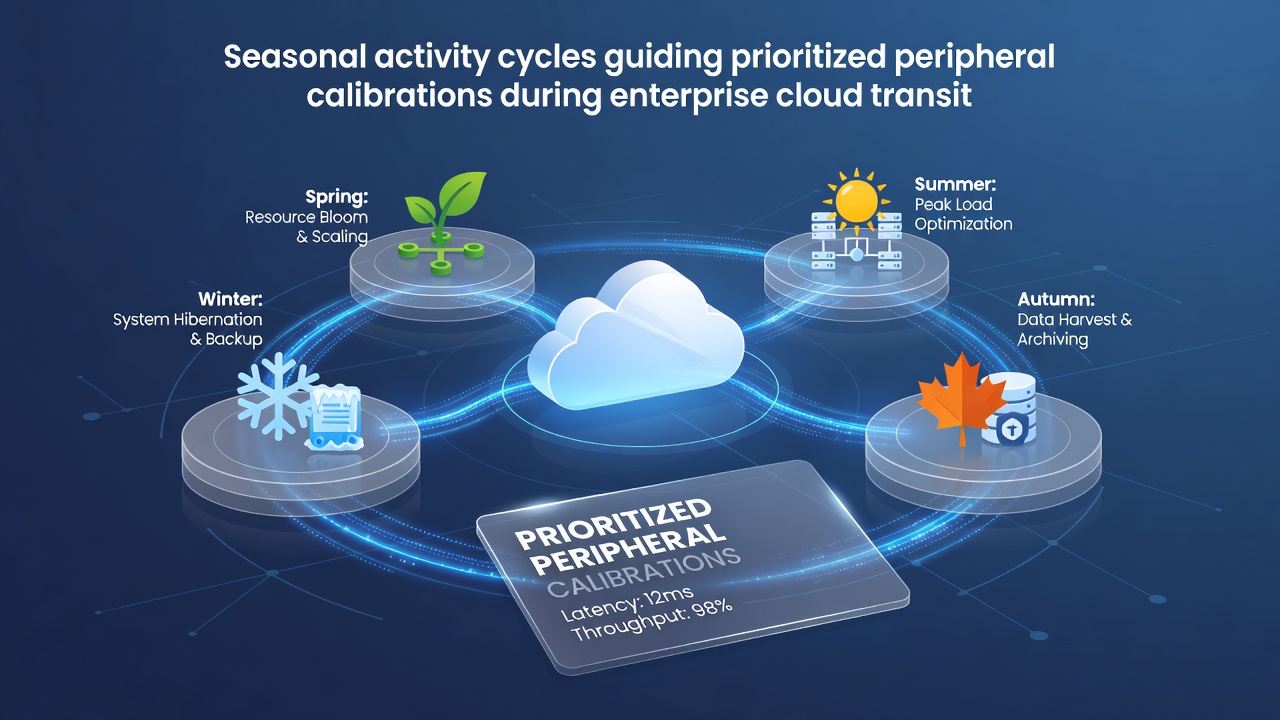
Studies of multi-site deployments confirm that organizations which sequence calibrations according to quarterly activity forecasts experience fewer post-migration support tickets related to device connectivity, and the approach also supports smoother integration with automated update mechanisms that run during the same windows. Enterprises in regions with pronounced seasonal business cycles, such as retail-heavy economies, apply these methods more rigorously because holiday-driven demand creates pronounced spikes that test peripheral reliability under cloud latency conditions.
Implementation Approaches in Ongoing Transitions
Project managers coordinate with facilities teams to gather device performance baselines during identified low-activity stretches, then apply calibration updates in stages that match the projected return to higher volumes, and this method has been documented in transitions completed by manufacturing firms that operate continuous production lines. According to NIST cloud computing guidance, aligning hardware maintenance with operational patterns supports overall system stability when workloads move to distributed environments.
Additional evidence from academic reviews of IT infrastructure projects shows that European organizations often reference summer holiday periods for deeper peripheral diagnostics, while North American counterparts focus on post-tax-season intervals, and both approaches reduce the risk of calibration conflicts with cloud service level agreements. Teams integrate these calendars into migration roadmaps so that device firmware alignments and cloud connectivity tests occur in sequence rather than in competition with business demands.
Measurement of Outcomes and Adjustments
Post-transition reviews compare incident logs before and after the adoption of seasonal calibration planning, and figures reveal measurable declines in peripheral-related outages when schedules reflect actual usage cycles rather than fixed quarterly reviews. Organizations that adopt this data-driven sequencing also report improved coordination between hardware teams and cloud architects because calibration windows become predictable elements within broader migration timelines.
One study revealed that enterprises incorporating activity-cycle analysis into their transition frameworks completed peripheral readiness checks 18 percent faster on average than those using static schedules, and the improvement held across sectors with varying peak periods. Continued monitoring of these metrics allows teams to refine future cycles as cloud platforms evolve and as new peripheral models enter the environment.
Conclusion
Seasonal activity cycles provide a practical framework for prioritizing peripheral calibrations during enterprise cloud transitions because usage data consistently demonstrates predictable fluctuations that affect device performance requirements. Organizations that map these patterns to their migration schedules achieve more stable cutovers and maintain operational continuity across changing workload demands. As cloud environments continue to expand, the practice of aligning hardware maintenance with observed activity rhythms remains a documented component of successful transition strategies.