6 Jul 2026
Investigating Synchronization Challenges Between Hardware Lifecycle Stages and Virtual Tool Implementations in Decentralized Work Models
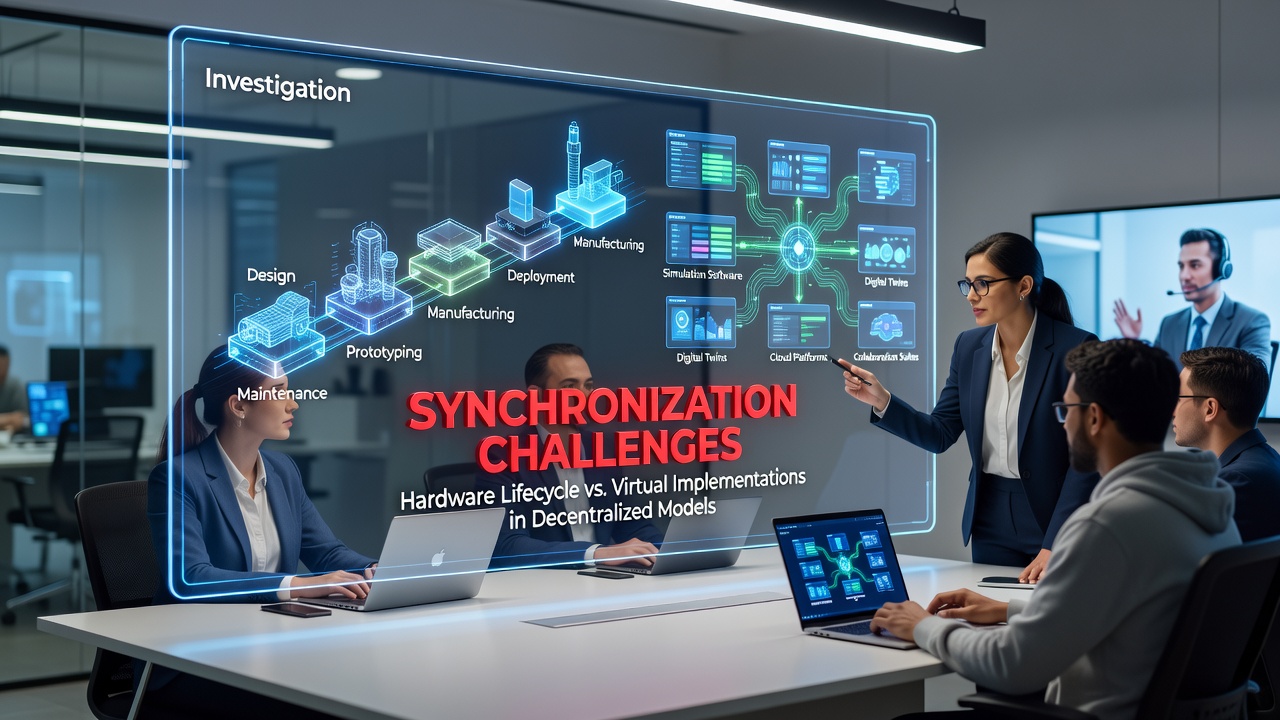
Hardware lifecycle stages encompass procurement, deployment, maintenance, and decommissioning phases while virtual tool implementations involve cloud platforms, remote access software, and collaborative applications that support distributed teams. In decentralized work models organizations face persistent synchronization issues because hardware refresh cycles often fail to align with software update schedules across multiple locations. Data from the National Institute of Standards and Technology indicates that mismatched timelines contribute to increased downtime incidents when endpoint devices reach end-of-support dates without corresponding virtual environment upgrades.
Hardware Lifecycle Stages in Distributed Environments
Procurement processes for physical devices now integrate with virtual provisioning systems yet delays in supply chains disrupt planned rollouts. Maintenance intervals require calibration against virtual tool release cycles since firmware patches must synchronize with application programming interface changes in remote management platforms. Decommissioning procedures introduce further complications because data migration from retiring hardware to new virtual instances demands precise timing to avoid access interruptions for users operating from varied geographic sites.
Observers note that organizations tracking device inventories through centralized dashboards encounter gaps when field teams update hardware independently of IT schedules. Research from the European Union Agency for Cybersecurity reveals coordination failures spike during peak operational periods when multiple sites initiate upgrades simultaneously without shared visibility into virtual tool dependencies.
Virtual Tool Implementation Patterns
Decentralized work relies on virtual desktop infrastructure, collaboration suites, and monitoring applications that scale across hybrid networks. These tools undergo frequent version iterations driven by security requirements and feature enhancements yet their deployment timelines rarely coincide with hardware procurement windows. Integration points between physical peripherals and virtual interfaces create additional friction when drivers or compatibility layers lag behind device refreshes.
Studies conducted by the Australian Cyber Security Centre show that enterprises adopting staggered rollout strategies for virtual platforms experience fewer conflicts during hardware transition periods. Teams that map software dependencies to specific hardware generations report smoother transitions compared to those managing updates through separate departmental channels.
Core Synchronization Challenges
Timing mismatches represent the primary obstacle because hardware end-of-life announcements from manufacturers arrive on quarterly cycles while virtual tool providers follow monthly release cadences. Resource allocation across decentralized teams compounds this issue since budget approvals for physical assets move through different approval chains than subscriptions for cloud services. Data flows between diagnostic tools on endpoints and centralized analytics platforms suffer interruptions when hardware replacements occur outside coordinated windows.
Another layer emerges from permission structures in automated update systems. Layered access controls across scattered device clusters sometimes prevent virtual tool updates from reaching newly deployed hardware until manual intervention occurs. Firmware sequencing protocols designed for enterprise environments require alignment with distributed software timelines yet satellite-dependent infrastructures introduce latency variables that affect update reliability.
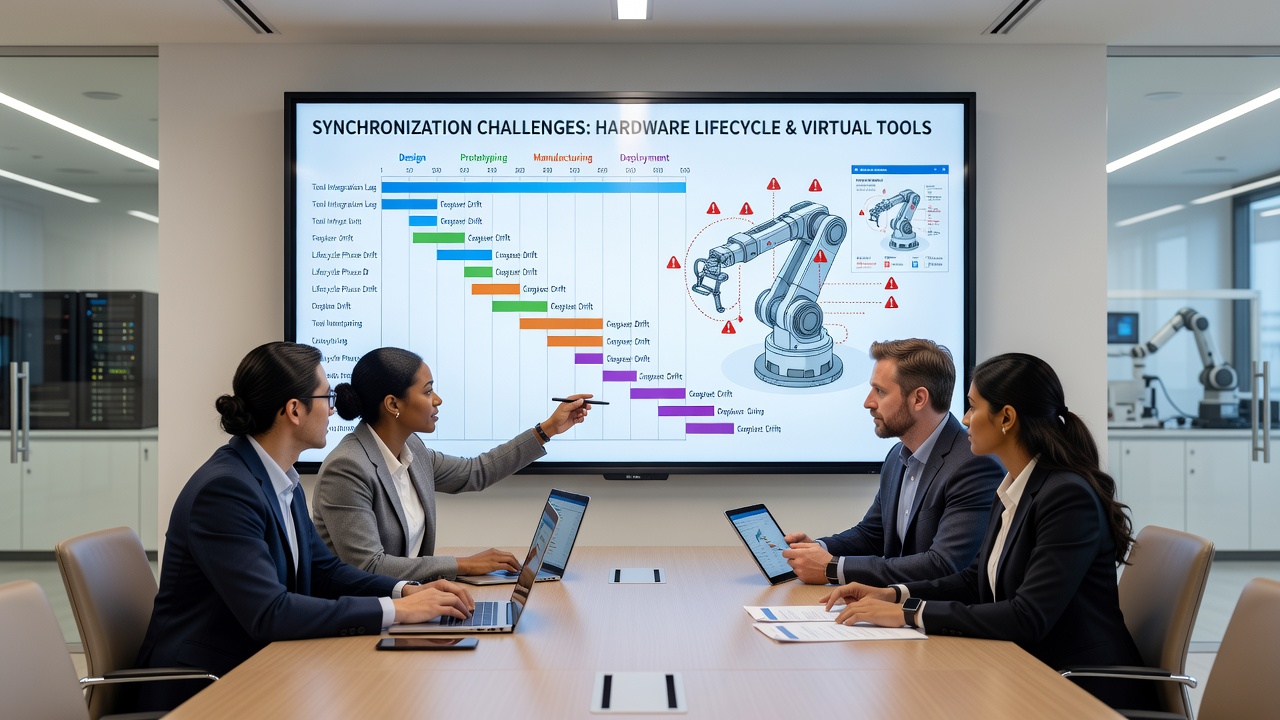
Seasonal user activity rhythms further influence these dynamics. Organizations monitoring activity patterns discover that firmware alignments perform better when scheduled around lower usage periods rather than during high-demand intervals. Diagnostic data collected from end-user devices feeds into centralized platforms more efficiently when hardware assessments coincide with virtual platform health checks.
Observed Approaches in Practice
Organizations addressing these challenges implement shared governance frameworks that link hardware procurement milestones to virtual tool roadmaps. Multi-site hardware assessments run in parallel with virtual platform testing phases to identify compatibility issues before full deployment. One study revealed that teams coordinating peripheral device calibrations with software rollout timelines reduced integration errors by measurable margins in hybrid configurations.
Permission cascade effects in automated update chains demand careful mapping because changes at one access level propagate through device clusters unevenly. Researchers at institutions tracking these patterns recommend phased testing environments that mirror decentralized conditions before applying updates organization-wide. In July 2026 several industry reports are scheduled to release updated benchmarks on synchronization success rates across global remote work deployments.
Client interaction patterns during tech guidance sessions also shape adoption rates for new tools. Sessions that incorporate hardware status reviews alongside virtual environment demonstrations help teams anticipate potential conflicts. Mapping these rhythms allows planners to prioritize updates during periods when user engagement supports smoother transitions.
Conclusion
Synchronization between hardware lifecycle stages and virtual tool implementations remains an ongoing operational requirement in decentralized work models. Organizations that establish cross-functional coordination mechanisms between physical asset management and digital platform teams demonstrate improved system stability. Continued monitoring of activity patterns, update dependencies, and regional infrastructure variables supports more consistent alignment across distributed environments.