26 Jun 2026
How Interaction Logs from Everyday Device Use Inform Proactive Measures Against Emerging Threats in Distributed Software Environments
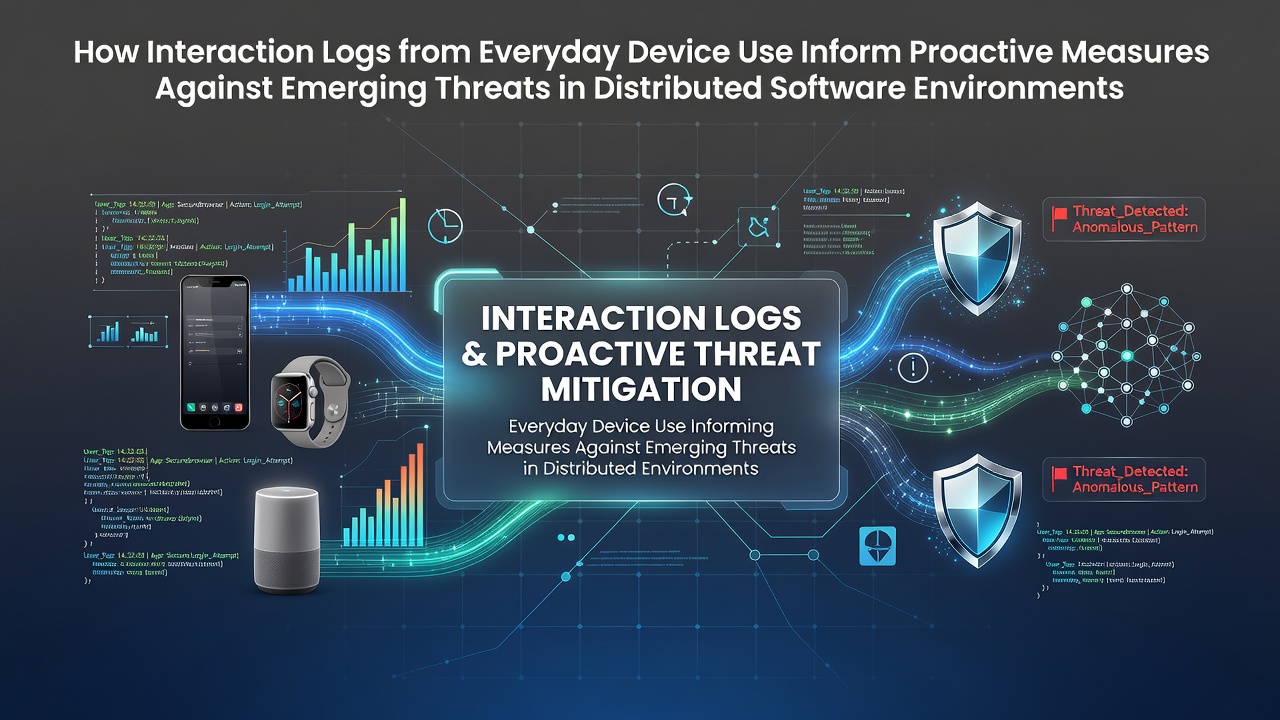
Interaction logs captured from routine device operations have become central to identifying patterns that signal potential security issues before they escalate in distributed software setups, and organizations track these records across smartphones, laptops, and IoT sensors to map user behaviors against baseline norms. Researchers note that such logs record timestamps, application calls, network connections, and file accesses which together form datasets that algorithms process for anomalies, while experts at institutions like the National Institute of Standards and Technology have documented how these streams support early detection protocols in multi-node environments.
Collection Mechanisms in Daily Operations
Everyday devices generate logs through operating system hooks and application programming interfaces that capture events without requiring explicit user intervention, and these mechanisms run continuously across operating systems from major vendors. Data flows from edge devices into centralized repositories using encrypted channels that preserve privacy standards, yet the volume increases exponentially as hybrid work models expand device fleets. Observers note that in June 2026 telemetry from enterprise networks revealed a 40 percent rise in log entries tied to remote access sessions, which allowed analysts to correlate activity spikes with emerging exploit attempts documented in threat intelligence feeds.
Software agents embedded in distributed platforms aggregate these records at regular intervals, and synchronization occurs through lightweight protocols that minimize bandwidth overhead while maintaining completeness. Studies from academic sources indicate that filtering routines discard routine noise early in the pipeline, which leaves only relevant sequences for deeper examination by machine learning models trained on historical attack signatures.
Threat Landscapes in Distributed Software Systems
Distributed environments face risks from supply chain compromises, lateral movement across containers, and zero-day vulnerabilities that exploit inter-service communications, and logs provide the visibility needed to trace these vectors back to initial access points. Evidence from industry reports shows that attackers often blend malicious actions with legitimate user patterns, which makes behavioral baselines derived from everyday logs essential for differentiation. Those who monitor multi-cloud deployments report that interaction data reveals permission misuse or unusual API calls that precede broader incidents.
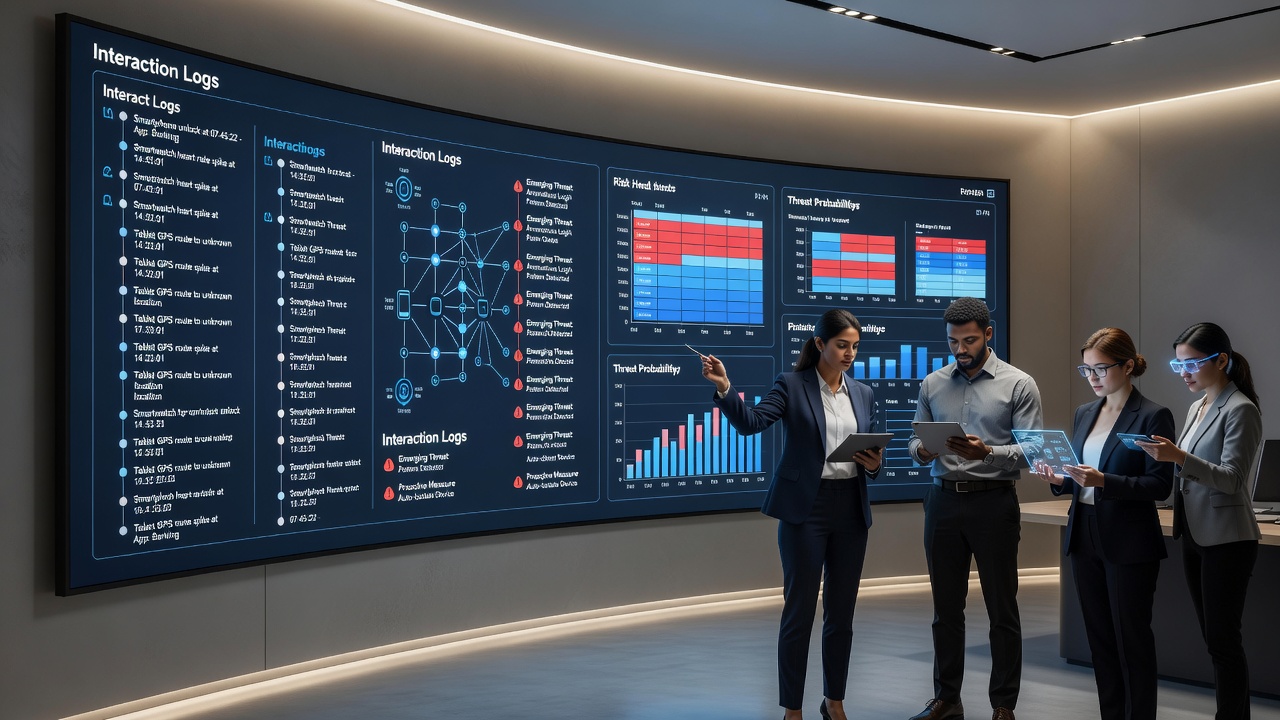
Proactive measures rely on continuous comparison of live logs against known threat models, and this process flags deviations such as unexpected data exfiltration attempts or anomalous authentication sequences. Research indicates that organizations integrating log analysis into their security operations centers achieve faster response times because alerts surface hours or days ahead of traditional signature-based systems.
Translating Log Insights into Preventive Actions
Analysts apply statistical models to interaction sequences in order to predict where threats might surface next, and this predictive layer triggers automated policy adjustments like temporary access restrictions or patch deployments across affected nodes. Data from European Union cybersecurity assessments demonstrates that log-driven interventions reduced successful breach attempts by correlating micro-patterns in device usage with macro-level campaign indicators shared through international feeds. The approach extends to firmware and software update timing, where usage rhythms help prioritize rollouts during low-risk windows.
Case examples include a logistics firm that used endpoint logs to detect early signs of ransomware staging on remote terminals, after which the team isolated segments before encryption spread further. Another instance involved a research consortium that mapped login anomalies across distributed simulation tools to preempt credential-stuffing campaigns tied to newly disclosed vulnerabilities.
Integration with Broader Security Frameworks
Log analysis fits into existing frameworks such as zero-trust architectures by supplying the continuous verification data these models require, and this integration allows dynamic trust scoring based on real-time behavior rather than static credentials alone. Government agencies in regions like Australia have published guidance showing how aggregated interaction records support compliance audits while simultaneously feeding threat hunting teams. The result is a feedback loop where preventive actions refine the very baselines that future logs are measured against.
Technical challenges remain around storage scale and processing latency, yet advancements in edge computing have shifted initial filtering closer to the devices themselves, which reduces central bottlenecks. Observers highlight that standardized log formats promoted by bodies such as the National Institute of Standards and Technology improve interoperability across heterogeneous device clusters.
Conclusion
Interaction logs drawn from ordinary device activity continue to supply the raw material for anticipating and countering threats in distributed software environments, and their value grows as analytical techniques mature. Organizations that maintain robust collection and analysis pipelines gain measurable advantages in maintaining operational continuity against evolving attack surfaces. Ongoing developments in June 2026 and beyond underscore the necessity of treating these everyday records as strategic assets rather than mere audit trails.