22 May 2026
Hardware Verification Steps and Their Role in Cybersecurity for Remote Network Configurations
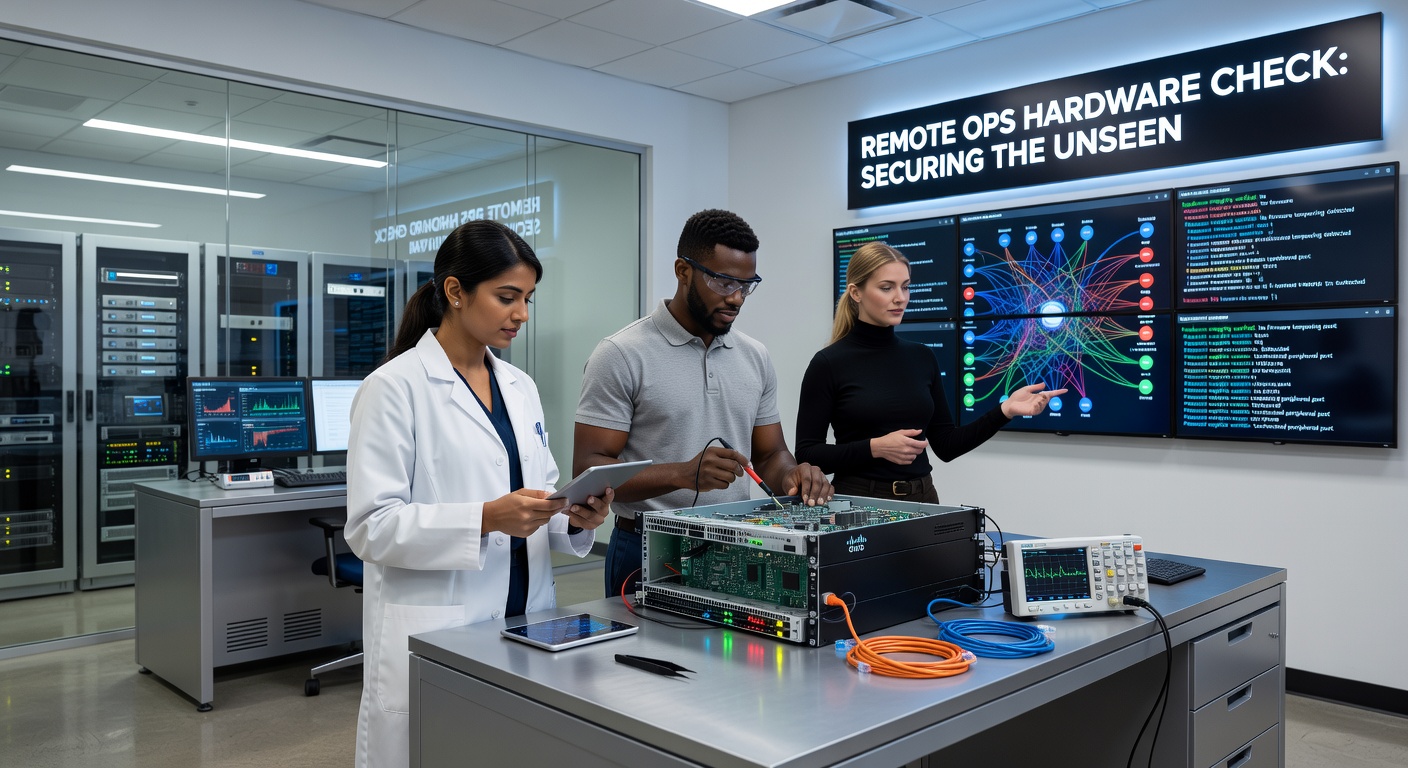
Hardware checks form a foundational layer when organizations establish networks for remote operations, and data from multiple studies links these procedures directly to reduced exposure in cybersecurity frameworks. Observers note that routine inspections of physical components such as routers, switches, and endpoint devices uncover firmware inconsistencies or unauthorized modifications before they integrate into broader systems. According to guidelines published by the National Institute of Standards and Technology, verification protocols include serial number validation alongside boot integrity measurements that flag anomalies early in deployment cycles.
Core Elements of Hardware Checks During Remote Network Builds
Technicians begin with physical inventory audits that compare device specifications against procurement records, and this step connects to firmware version assessments that reveal outdated code susceptible to known exploits. Organizations operating across distributed sites often deploy automated scanning tools that cross-reference hardware identifiers with threat intelligence feeds, while manual reviews catch discrepancies that software alone might miss. Researchers at various institutions have documented cases where unverified hardware introduced persistent vulnerabilities that persisted through software patching routines alone.
Network interface cards and storage controllers receive particular attention because compromised versions can intercept data flows or alter transmission patterns without triggering standard alerts. In setups supporting remote access, these checks extend to power supply units and cooling systems whose failures create opportunities for physical tampering during maintenance windows. Figures from industry reports indicate that early detection through structured hardware protocols correlates with fewer incidents in multi-site configurations.
Links Between Hardware Integrity and Cybersecurity Posture
Surprising connections emerge when analysts examine breach patterns tied to remote operations, and evidence suggests that skipped hardware validations frequently precede unauthorized access attempts that exploit embedded controller weaknesses. Data shows that devices passing basic connectivity tests yet failing cryptographic signature checks account for a measurable portion of lateral movement incidents in enterprise environments. Experts have observed that supply chain insertions at the component level bypass many perimeter defenses until hardware-level attestation occurs during initial setup phases.
One documented scenario involved remote teams discovering altered BIOS settings on newly provisioned laptops that allowed persistent remote code execution despite updated operating systems. These findings prompted wider adoption of measured boot processes that record hardware states at each startup, and subsequent audits revealed similar issues across additional deployments. As organizations expanded remote capabilities into 2026, reports from May highlighted increased emphasis on hardware root of trust modules in compliance frameworks across North American and European sectors.
Practical Applications in Distributed Work Environments
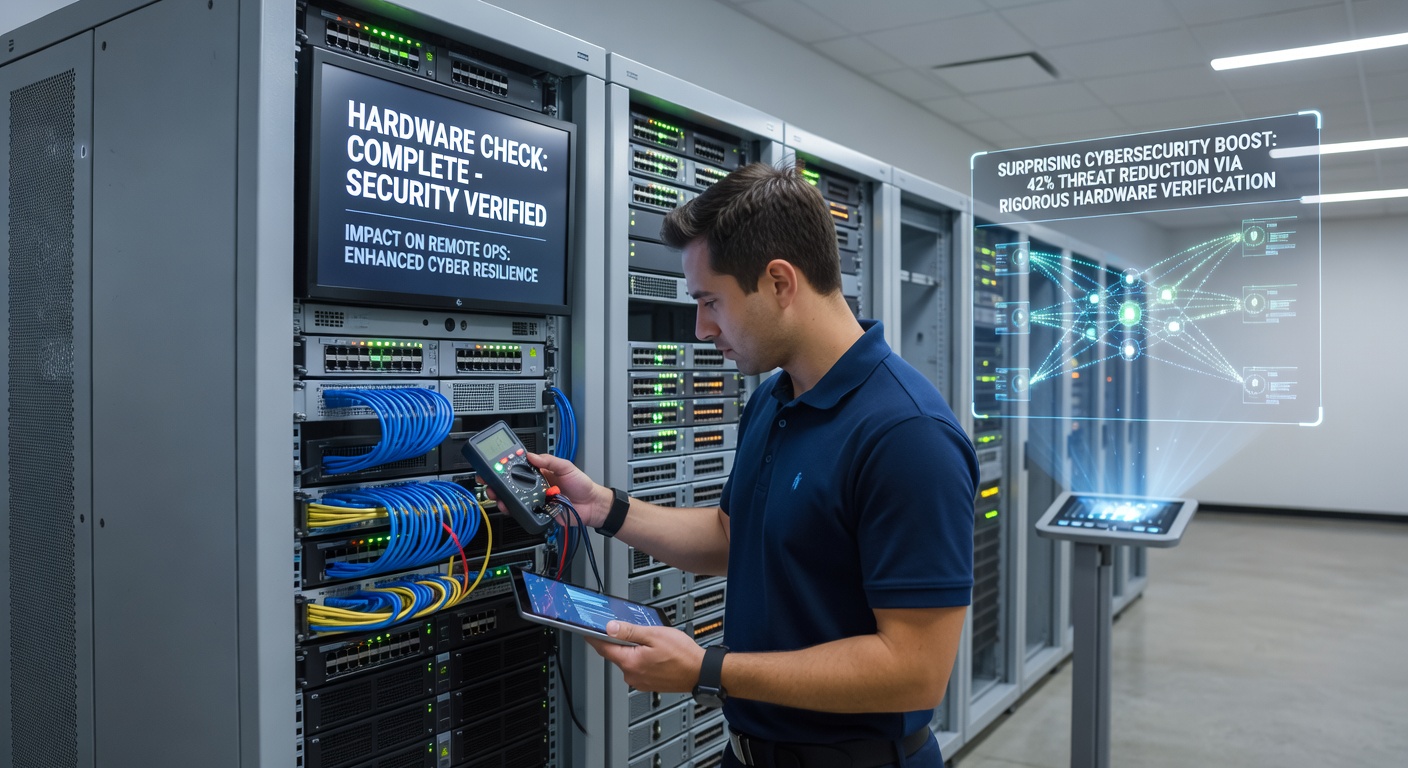
Remote operations networks rely on consistent hardware baselines to maintain secure tunnels and access controls, and verification routines integrate with zero-trust models by confirming device identity before granting resource permissions. Technicians apply these checks at staging areas prior to shipment and again upon arrival at end-user locations to account for transit-related alterations. Studies indicate that combining hardware attestation with network segmentation reduces the attack surface presented by endpoints operating outside traditional office perimeters.
Wireless access points and VPN concentrators undergo additional scrutiny because their hardware configurations directly influence encryption key handling and session management. Organizations reference frameworks from the European Union Agency for Cybersecurity that outline hardware validation sequences tailored for hybrid work models. Implementation data reveals measurable declines in configuration drift when teams enforce these sequences before connecting new sites to central infrastructures.
Emerging Patterns and Measurement Approaches
Analytics platforms now aggregate hardware check results alongside cybersecurity metrics to identify correlations that were previously overlooked, and longitudinal tracking shows that sites with rigorous pre-deployment inspections experience lower rates of firmware-based exploits over time. Observers note that temperature sensor logs and voltage fluctuation records sometimes surface tampering attempts that align with broader intrusion timelines. These patterns encourage integration of hardware telemetry into security information and event management systems for real-time correlation.
Training programs for field technicians incorporate modules on recognizing physical indicators of compromise, and case reviews from multiple regions demonstrate how such awareness prevents escalation during initial rollout phases. As remote operations continue to evolve, verification practices adapt to accommodate newer form factors including compact edge devices and modular networking hardware.
Conclusion
Hardware checks contribute measurable value to cybersecurity outcomes when networks support remote operations, and ongoing data collection continues to refine understanding of these interactions across different deployment scales. Organizations that embed verification into standard build processes establish stronger foundations for sustained operational security.