27 May 2026
Exploring Synergies Between Cybersecurity Protocols and Data Synchronization Methods in Distributed Hardware Maintenance Scenarios
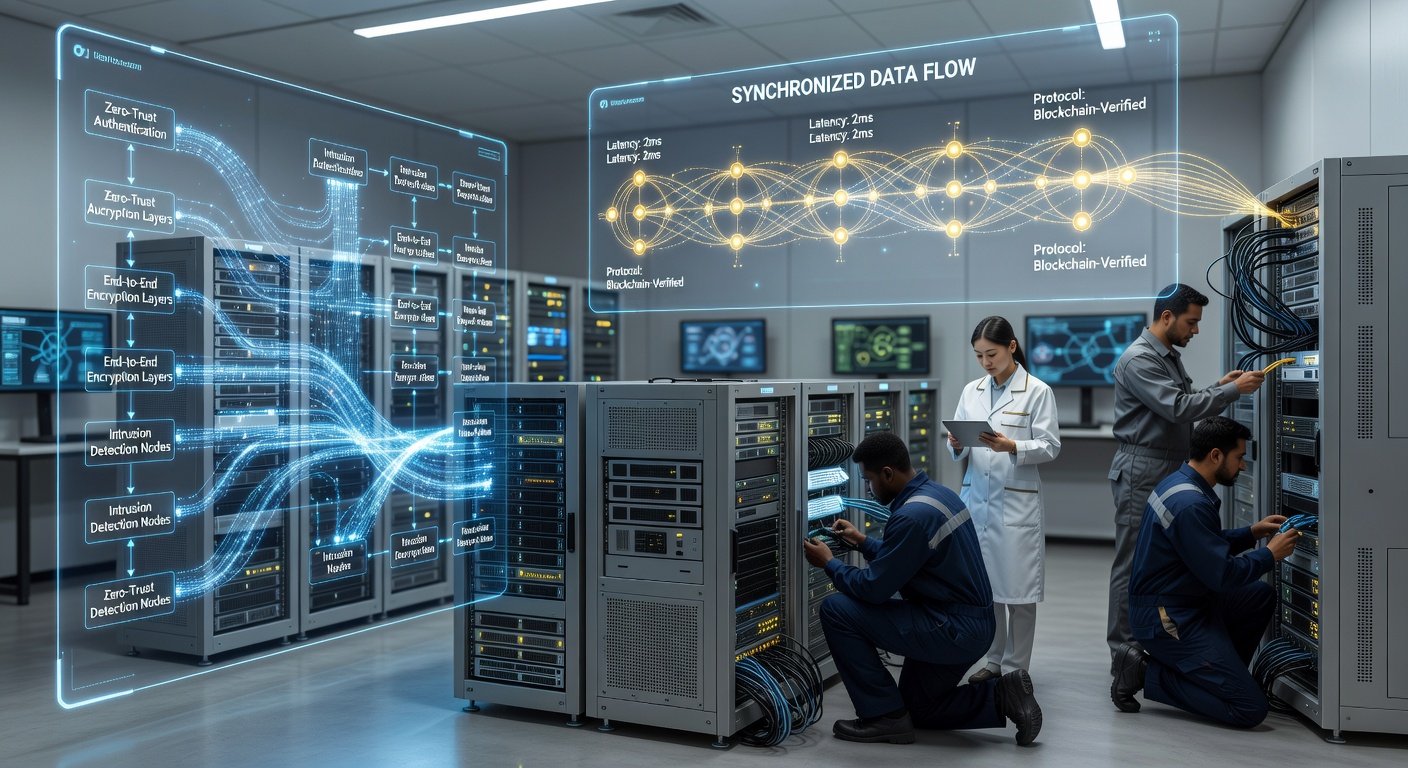
Distributed hardware maintenance involves coordinating updates, diagnostics, and repairs across networks of devices that span multiple locations, and experts have observed how cybersecurity protocols integrate with data synchronization methods to maintain both operational continuity and protection against unauthorized access. Researchers discovered that combining encrypted channels with incremental sync techniques allows maintenance teams to transfer configuration files and log data without exposing systems to interception risks, while organizations such as the National Institute of Standards and Technology have documented frameworks that align authentication requirements with real-time data consistency checks.
Core Components of Distributed Hardware Environments
Hardware setups in sectors like manufacturing and telecommunications rely on edge servers, sensors, and controllers that require periodic synchronization of firmware versions and performance metrics, and observers note that these processes create opportunities for threat actors when data moves between sites without adequate safeguards. Studies from European research institutions show that synchronization protocols using mutual TLS certificates reduce the window during which maintenance data remains vulnerable, whereas traditional file transfer methods often leave gaps that adversaries exploit through man-in-the-middle attacks.
Maintenance workflows typically include remote diagnostics followed by targeted patches, yet the need to reconcile changes across replicas introduces complexity that cybersecurity measures address through role-based access controls tied directly to sync operations. Data indicates that organizations implementing these combined approaches experience fewer instances of corrupted configuration states, because integrity verification happens at each synchronization step rather than after the fact.
Integration Points Between Security Protocols and Sync Methods
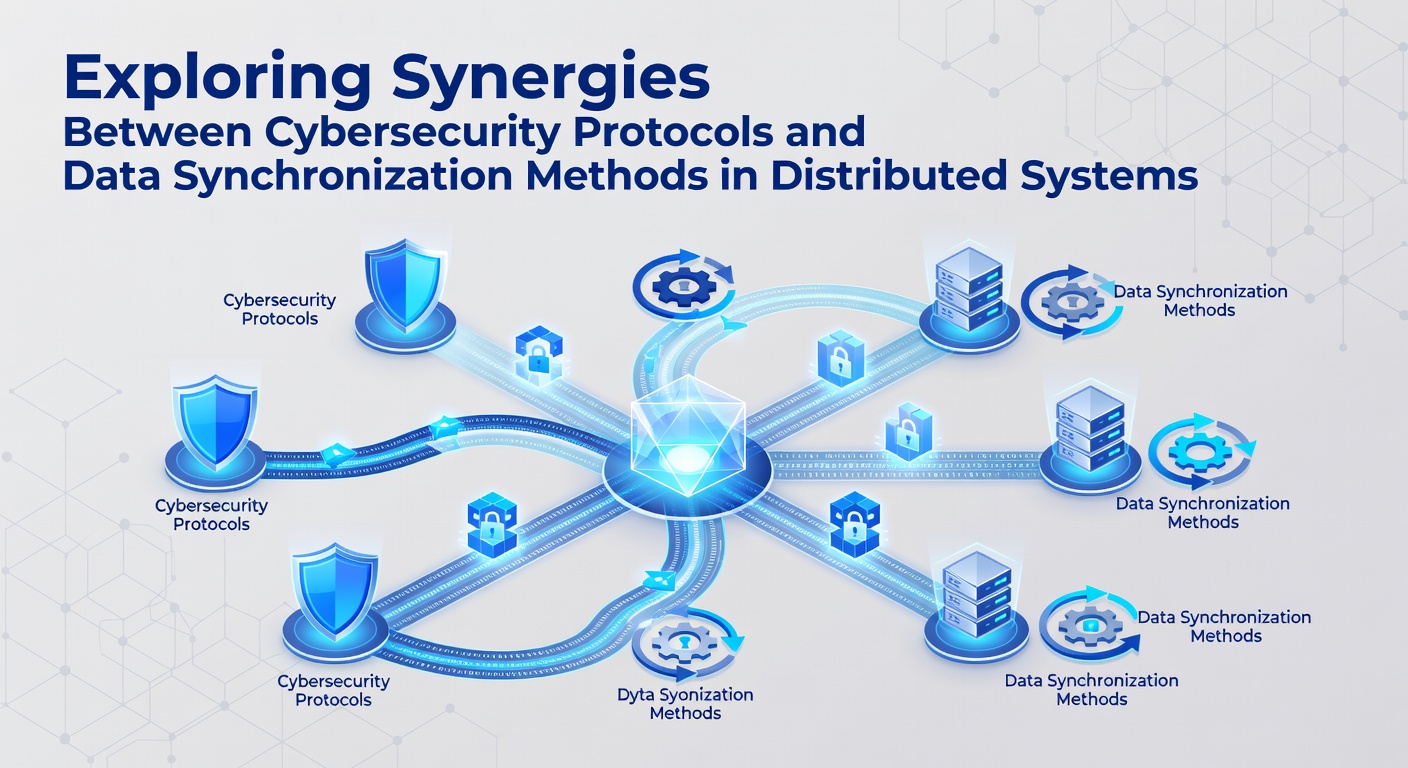
Encryption standards such as AES-256 applied during transit work alongside differential synchronization algorithms that transmit only changed blocks, and this pairing ensures that hardware maintenance teams can update distributed nodes efficiently while preserving confidentiality. Analysts at institutions in Canada have reported that embedding digital signatures within sync metadata prevents replay attacks during firmware rollouts, because each packet carries verifiable proof of origin that aligns with the maintenance schedule.
Zero-trust architectures further strengthen these synergies by requiring continuous verification before any data exchange occurs, which means that even routine log synchronization between maintenance servers must pass authentication checks at every hop. Figures from Australian government cybersecurity reports reveal that systems using this layered model detected anomalous sync attempts 40 percent faster than those relying on perimeter defenses alone, allowing teams to isolate compromised hardware segments before widespread impact occurs.
Practical Implementation in Maintenance Scenarios
When technicians perform distributed hardware maintenance, they often rely on orchestration tools that trigger synchronization only after security tokens validate both the source and destination endpoints, and this sequence reduces the risk of injecting malicious payloads during updates. Research indicates that conflict-resolution mechanisms built into modern sync software can incorporate threat intelligence feeds, flagging inconsistencies that might signal tampering rather than simple version drift.
Case examples from industrial deployments illustrate how these integrations function under operational pressure: a network of remote monitoring stations synchronized sensor calibration data every four hours using protocol extensions that enforce certificate pinning, resulting in uninterrupted service even when individual nodes underwent hardware swaps. In May 2026, updates to international standards on secure data exchange are expected to formalize additional requirements for timestamped synchronization logs, which maintenance platforms will need to adopt to remain compliant.
Bandwidth considerations also play a role, because full dataset transfers during maintenance windows can strain connections, yet cybersecurity protocols that compress and encrypt payloads simultaneously help maintain performance without sacrificing protection levels. Teams that apply these methods report smoother coordination across time zones, since verified sync events create auditable trails that support both operational reviews and regulatory audits.
Emerging Techniques and Standardization Efforts
Developments in homomorphic encryption allow limited computations on synchronized data without decrypting it first, opening pathways for maintenance analytics that preserve privacy across organizational boundaries. European Union agency reports highlight pilot projects where such techniques enabled collaborative troubleshooting among multiple vendors without exposing proprietary hardware details during the sync process.
Standardization bodies continue to refine guidelines that map specific cybersecurity controls to synchronization primitives, ensuring that future distributed systems embed these protections at the protocol level rather than as afterthought add-ons. Observers note that adoption rates have increased as hardware vendors incorporate these features into firmware update mechanisms, reducing the manual configuration burden on maintenance personnel.
Conclusion
The interplay between cybersecurity protocols and data synchronization methods creates measurable improvements in both security posture and operational efficiency for distributed hardware maintenance, as evidenced by implementations across varied industries and regions. Continued alignment of these technical domains supports resilient systems that handle updates and diagnostics while limiting exposure to evolving threats.