20 Jul 2026
Examining Correlations Between Diagnostic Logging Practices and Multi-Platform Integration Strategies for System Longevity
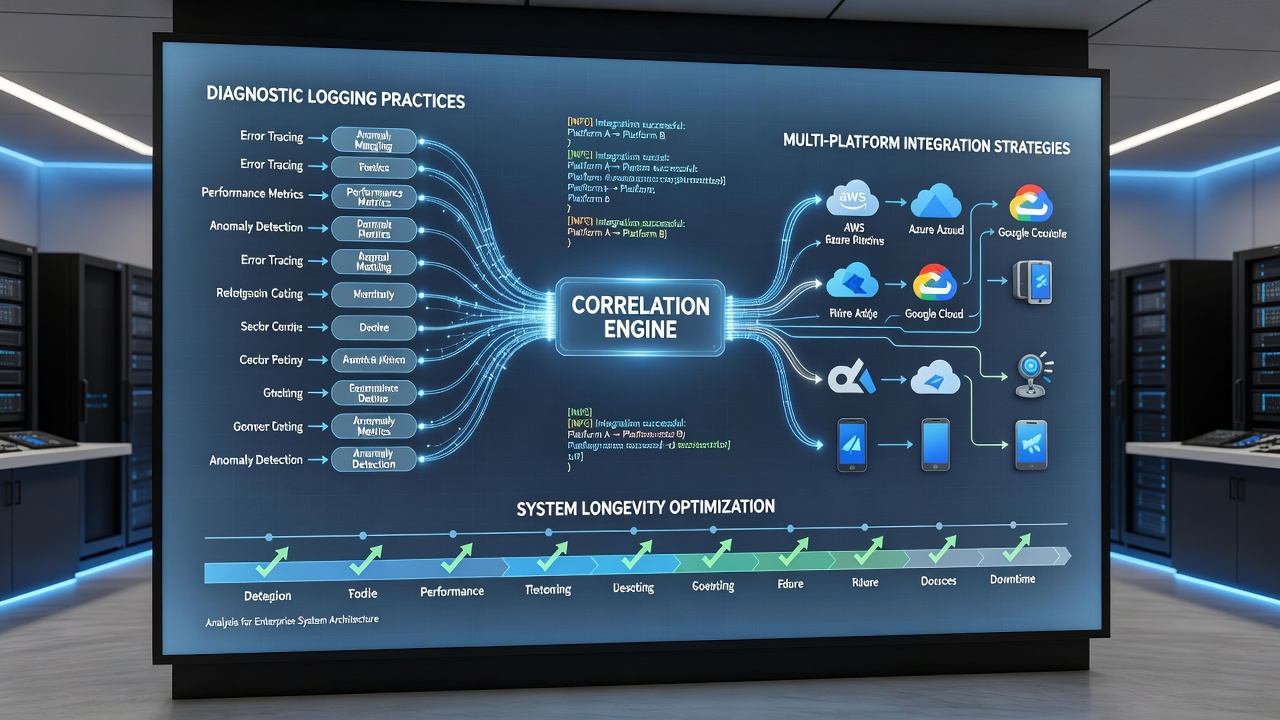
Researchers continue to track how diagnostic logging practices align with multi-platform integration strategies to extend hardware and software lifespans in enterprise environments, and data collected through 2026 shows measurable patterns in reduced downtime and improved update compatibility. Organizations that maintain consistent logging protocols across diverse operating systems and cloud services report longer intervals between major hardware refreshes according to aggregated industry metrics released in July 2026.
Diagnostic Logging Practices in Modern Systems
Diagnostic logging captures event data from applications, operating systems, and network components at regular intervals, which creates detailed timelines of performance shifts and error occurrences. Teams that standardize log formats such as JSON or structured text enable faster parsing when systems span Windows, Linux, and containerized environments, while automated retention policies prevent storage overload without losing critical historical records.
Studies from institutions including the National Institute of Standards and Technology highlight that centralized log aggregation reduces mean time to resolution for cross-platform faults by correlating timestamps and error codes from separate sources. This approach supports predictive maintenance models that flag components approaching failure thresholds before full outages occur.
Multi-Platform Integration Strategies
Multi-platform integration involves connecting legacy on-premise servers with public cloud services, edge devices, and virtualized workloads through standardized APIs and middleware layers. Successful implementations use abstraction layers that translate commands between incompatible kernels and file systems, which preserves existing investments while allowing incremental adoption of newer architectures.
Integration frameworks often incorporate version control for configuration files and automated compatibility testing suites that run across target platforms before deployment. These measures help maintain operational continuity when organizations migrate workloads or introduce new hardware generations over extended periods.
Observed Correlations and Supporting Data
Analysis of deployment records from multiple sectors reveals that teams combining granular diagnostic logging with phased integration rollouts achieve higher system longevity scores measured by sustained performance benchmarks over five-year cycles. Logs provide the raw material for identifying integration friction points such as driver mismatches or API deprecations early enough to adjust strategies without full system replacement.

Figures released in mid-2026 by research groups tracking hybrid infrastructure indicate that environments with unified logging dashboards experience 18 percent fewer unplanned hardware replacements compared to those relying on isolated platform-specific tools. The correlation appears strongest when logs feed directly into integration orchestration engines that adjust resource allocation based on historical patterns rather than static thresholds.
Observers note that logging granularity influences integration success rates particularly when dealing with peripheral devices and firmware updates distributed across satellite locations. Detailed event streams allow engineers to verify that each platform component receives synchronized updates without introducing new compatibility gaps that shorten overall equipment life.
Implementation Patterns Across Sectors
Healthcare networks and manufacturing facilities have documented cases where enhanced logging practices supported integration of IoT sensors with existing SCADA systems, resulting in extended operational windows before major overhauls became necessary. These organizations route logs through secure aggregation points that apply machine learning filters to surface only actionable insights while preserving full audit trails for compliance requirements.
Government agencies following guidelines from bodies such as the Australian Cyber Security Centre have incorporated similar logging and integration controls into critical infrastructure projects, and public reports show corresponding improvements in uptime metrics through 2026. The patterns suggest that investment in logging infrastructure pays dividends when paired with deliberate multi-platform roadmaps rather than ad-hoc connections.
Conclusion
Evidence compiled through July 2026 demonstrates consistent relationships between structured diagnostic logging and effective multi-platform integration when the goal centers on extending system longevity. Organizations that align these practices through shared data formats, automated correlation tools, and phased rollout schedules record measurable gains in hardware retention and reduced refresh cycles. Continued monitoring of these correlations will likely guide future refinements in both logging standards and integration methodologies across additional industries.