Device Cluster Dynamics: Refining Backup Timelines via End-User Hardware Feedback in Distributed Networks
Mia Berger · Aug 26, 2026
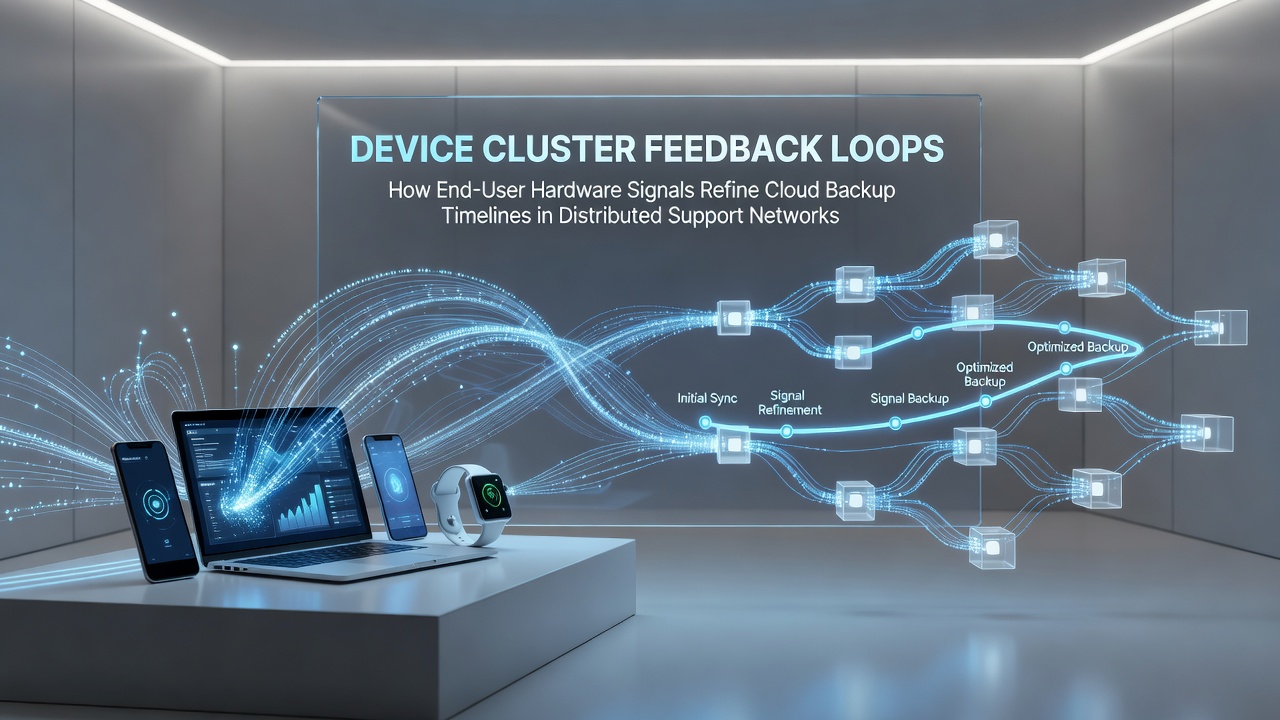
Device Cluster Dynamics: Refining Backup Timelines via End-User Hardware Feedback in Distributed Networks
Device clusters operate as interconnected groups of end-user hardware that transmit performance metrics and usage patterns directly into centralized cloud platforms, and these signals allow support networks to adjust backup schedules dynamically rather than relying on fixed intervals. Observers note that hardware indicators such as disk wear levels, memory allocation rates, and processor load averages feed into algorithms that predict optimal windows for data synchronization, which reduces conflicts during peak activity periods across multiple sites.
Core Mechanisms Behind Hardware Signal Integration
End-user devices collect telemetry on storage health and network latency before forwarding this information through secure channels to orchestration layers in distributed support environments, while feedback loops analyze trends over days or weeks to refine timing predictions. Research indicates that clusters with consistent signal reporting achieve tighter alignment between backup operations and low-activity phases, and data from enterprise deployments shows measurable decreases in transfer interruptions when hardware metrics guide the process. Those who manage large-scale networks often track variables like battery discharge cycles on mobile endpoints alongside thermal readings from stationary workstations, because these factors correlate with periods when systems can handle additional load without degradation.
Signal Processing in Practice
Algorithms process incoming streams by weighting recent hardware events more heavily than historical averages, which allows the system to respond to sudden changes such as increased error rates on solid-state drives or spikes in RAM usage from concurrent applications. Studies from institutions including the National Institute of Standards and Technology have examined similar telemetry flows, and figures reveal that incorporating real-time device status improves backup completion rates by aligning operations with actual availability rather than calendar-based assumptions. In August 2026, several distributed support platforms began rolling out enhanced parsing modules that incorporate firmware-level alerts about impending hardware failures, enabling preemptive timeline shifts before data integrity risks escalate.
Impact on Cloud Backup Scheduling Across Regions
Distributed networks spanning multiple time zones rely on aggregated cluster data to stagger backup tasks and avoid saturating shared bandwidth, while hardware signals help identify when specific device groups enter maintenance windows or experience reduced user interaction. Evidence suggests that clusters reporting high storage fragmentation levels trigger earlier synchronization events, and this prevents larger data volumes from accumulating during subsequent cycles. One documented implementation at a multinational firm demonstrated how feedback from European and North American endpoints coordinated with Australian data centers to shift nightly backups by several hours, resulting in lower contention on intercontinental links.
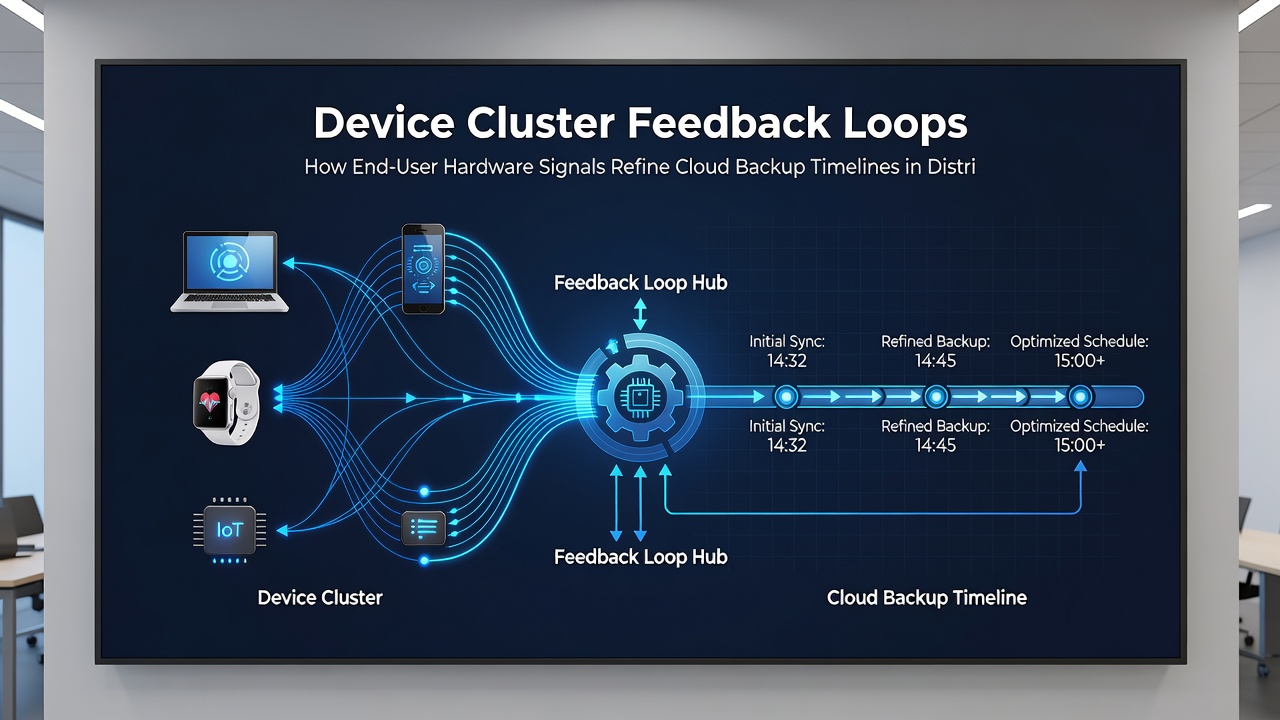
Support teams integrate these adjustments through centralized dashboards that display cluster health summaries alongside projected backup windows, and operators can override automated recommendations when external factors such as scheduled maintenance or regulatory compliance checks intervene. Academic reports from the University of Melbourne's computing research group have explored comparable synchronization models, highlighting how peripheral device calibration data contributes additional context that refines timeline accuracy further.
Case Examples from Enterprise Deployments
Take one logistics company operating across three continents where device clusters in warehouse locations sent consistent signals about elevated temperatures affecting drive performance, and the feedback prompted the system to move backups to cooler overnight periods in each region. Observers documented similar patterns in healthcare settings, where clusters handling patient records adjusted timelines around diagnostic equipment usage peaks to maintain uninterrupted access. Data shows that organizations adopting these methods report fewer instances of incomplete backups, particularly when hardware signals include predictive indicators such as SMART error thresholds or network packet loss statistics.
Future Refinements and Standardization Efforts
Industry groups continue to develop common protocols for transmitting hardware feedback, and current drafts emphasize encryption standards that protect signal integrity during transit to cloud orchestration services. The European Union Agency for Cybersecurity has contributed guidelines on secure telemetry handling that align with these cluster-based approaches, and implementation timelines extend into late 2026 as more support networks adopt the frameworks. Those managing hybrid environments frequently combine local edge processing with cloud analytics to reduce latency in signal interpretation, which accelerates timeline adjustments when hardware conditions change rapidly.
Conclusion
Device cluster feedback loops continue to shape how distributed support networks manage cloud backup operations by translating end-user hardware signals into actionable schedule refinements, and ongoing developments in signal processing promise additional precision as adoption expands. Organizations that integrate these mechanisms benefit from coordinated timelines that reflect actual device conditions rather than static assumptions, while regional variations in network infrastructure influence the exact parameters used in each deployment.