Decoding Usage Pattern Cycles That Steer Prioritized Peripheral Calibration Sequences During Distributed Software Rollout Windows in Hybrid Enterprise Setups
Ulrich Neumann · Aug 12, 2026
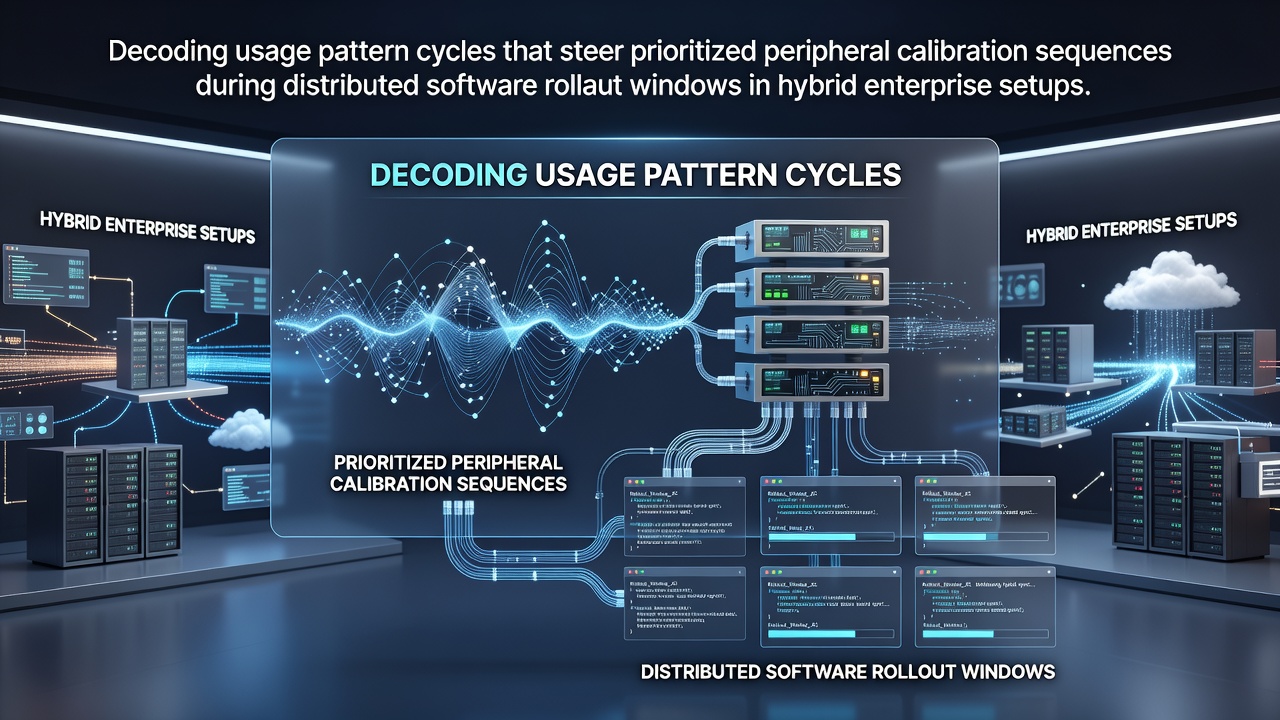
Decoding Usage Pattern Cycles That Steer Prioritized Peripheral Calibration Sequences During Distributed Software Rollout Windows in Hybrid Enterprise Setups
Usage pattern cycles emerge from aggregated device telemetry across hybrid enterprise environments where on-premises servers connect with cloud instances, and these cycles directly influence how teams schedule peripheral calibration sequences ahead of software rollout windows. Organizations collect data on login times, application access frequencies, and peripheral interaction rates, then map those rhythms onto deployment calendars that minimize downtime for critical hardware components like scanners, printers, and specialized input devices. Research from enterprise monitoring platforms shows that usage peaks often cluster around mid-week periods while troughs appear during early morning hours, allowing calibration tasks to slot into lower-activity intervals without interrupting core operations.
Mapping Daily and Weekly Rhythms in Hybrid Workflows
Daily rhythms in hybrid setups typically follow a predictable arc that begins with morning logins from remote workers, builds through collaborative sessions on shared platforms, and tapers as employees complete tasks before end-of-day sign-offs. Weekly patterns add another layer because Monday mornings often register higher device initialization rates whereas Fridays show reduced peripheral engagement as users finalize reports rather than run intensive processes. Observers note that these cycles become especially visible when enterprises track metrics over multiple quarters, revealing consistent troughs that align with lunch breaks or shift changes in global teams spread across time zones. Data indicates that calibration sequences receive priority when usage dips below 40 percent of peak capacity, a threshold derived from historical logs collected by centralized management consoles.
Seasonal Influences on Rollout Timing
Seasonal shifts introduce longer cycles that affect how enterprises plan distributed software updates in August 2026 and similar periods when vacation schedules reduce overall system load. During summer months many organizations report 15 to 25 percent lower peripheral activity as staff take leave, creating extended windows for calibration without competing demands from high-volume print jobs or scanning operations. Analysts at research institutions have documented similar patterns around year-end holidays, where calibration teams advance firmware alignments for peripherals ahead of January restarts. These seasonal indicators help prioritize which device clusters receive attention first, especially in environments where satellite offices feed data back to central platforms for synchronized updates.
Prioritization Mechanisms for Peripheral Calibration
Prioritization algorithms weigh usage frequency against device criticality, assigning higher ranks to peripherals that support regulatory compliance tasks or customer-facing processes. When rollout windows open, teams sequence calibrations so that high-priority items complete during the earliest low-usage blocks while lower-priority devices wait for subsequent intervals. Studies conducted by academic groups tracking enterprise deployments found that this ordered approach reduced calibration-related incidents by aligning maintenance with actual demand curves rather than fixed schedules. In hybrid configurations the process extends across both local networks and cloud-hosted orchestration layers, requiring coordination protocols that push calibration commands only after confirming current usage metrics fall within acceptable ranges.
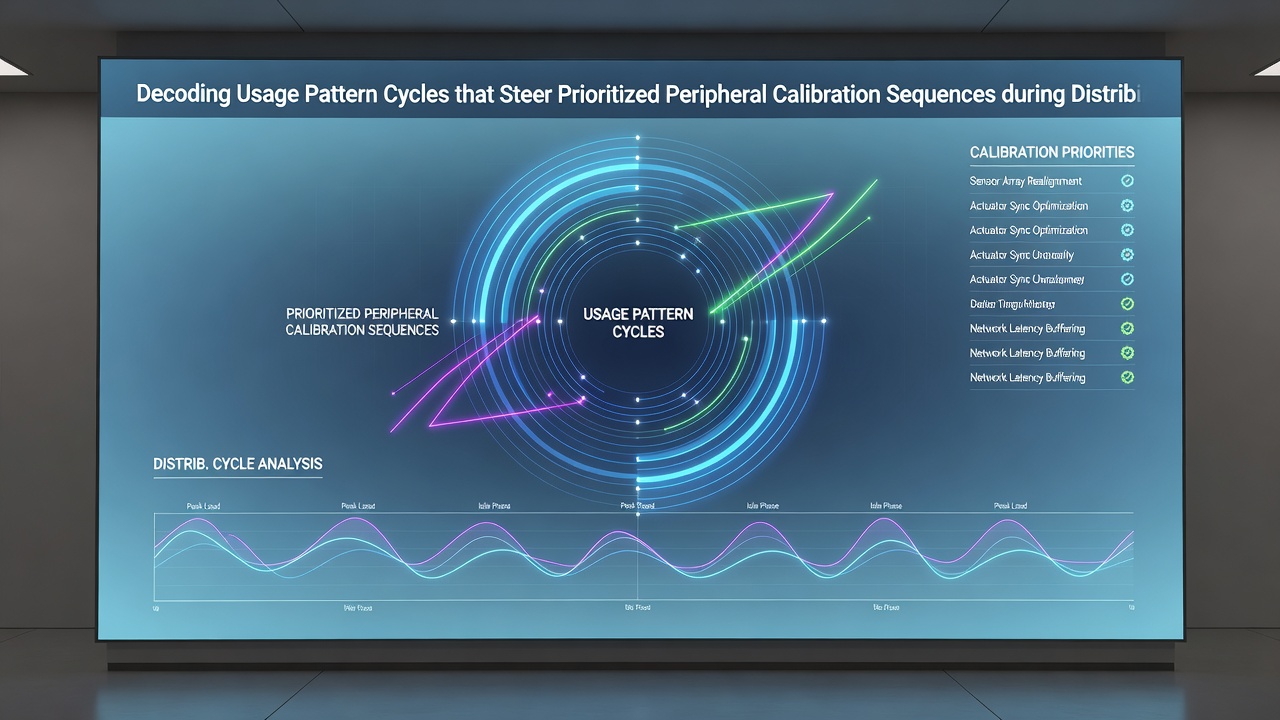
One documented case involved a multinational firm that adjusted its August 2026 rollout calendar after reviewing six months of telemetry, moving calibration sequences for warehouse scanners into overnight hours when activity dropped sharply. The adjustment allowed software updates to proceed across regional sites without overlapping with peak inventory processing periods, illustrating how cycle analysis steers sequencing decisions in practice.
Integration with Distributed Rollout Windows
Distributed rollout windows function as time-bound intervals during which enterprises push software changes across mixed infrastructure, and usage pattern cycles provide the data needed to set those intervals optimally. Teams monitor real-time dashboards that display aggregated activity from endpoints in multiple locations, then trigger calibration sequences only when projected loads stay below predefined thresholds. According to guidelines published by the National Institute of Standards and Technology, effective deployment planning incorporates telemetry feedback loops that adjust timing dynamically rather than relying on static calendars. In hybrid enterprise setups this means calibration commands travel through both local controllers and cloud brokers, ensuring peripherals remain synchronized even when some devices operate offline for periods.
Additional layers of coordination appear when organizations incorporate external benchmarks from sources such as ENISA reports on secure update practices, which emphasize verifying device states before initiating changes. These cross-referenced insights help refine prioritization so that calibration sequences address the most active peripherals first, reducing the chance of conflicts during the broader software rollout phase.
Conclusion
Usage pattern cycles supply the factual foundation for steering prioritized peripheral calibration sequences inside distributed software rollout windows, and hybrid enterprise setups benefit when teams apply telemetry analysis consistently across daily, weekly, and seasonal horizons. Organizations that integrate these cycles into planning processes achieve smoother transitions during update periods while maintaining operational continuity for connected hardware. Continued monitoring and adjustment of these patterns support reliable outcomes as enterprises scale their hybrid environments over time.