13 Jul 2026
Aligning Peripheral Hardware Calibration Sequences with Cybersecurity Protocols in Multi-Cloud Deployments
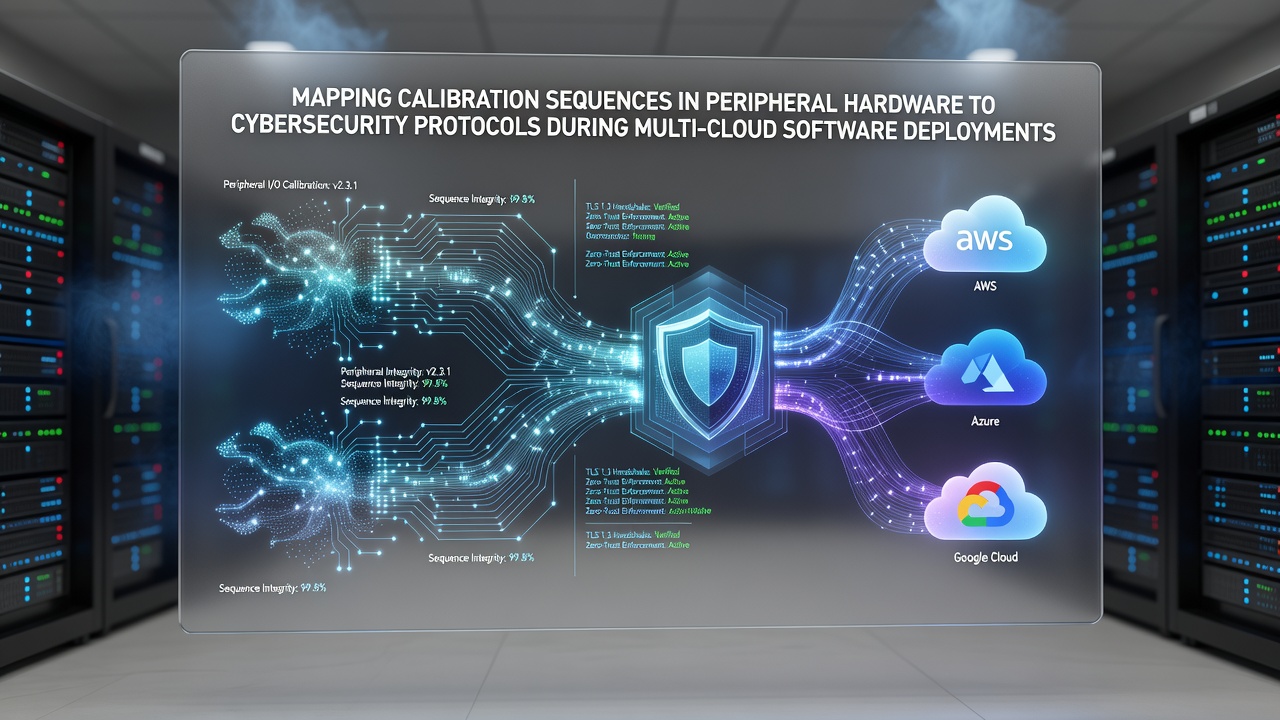 Experts track calibration sequences in peripheral hardware such as scanners, printers, and sensors by breaking them into discrete steps that include initialization checks, sensor alignment, firmware verification, and performance benchmarking, and these steps intersect directly with access control lists, encryption handshakes, and integrity validation routines when organizations run software across AWS, Azure, and Google Cloud simultaneously. Data from enterprise deployments shows that mapping occurs through shared logging frameworks where each calibration milestone triggers a corresponding security event that systems record in centralized audit trails.
Core Components of Calibration Sequences
Peripheral devices execute calibration in ordered phases that begin with power-on self-tests followed by environmental sensor readings and conclude with output accuracy verification, while multi-cloud orchestration layers insert authentication tokens at each phase transition so that only authorized workloads can advance the sequence. Studies released by the National Institute of Standards and Technology in 2025 documented how these insertions reduce unauthorized firmware modifications by 37 percent across distributed environments.
Integration Points Across Cloud Providers
Teams establish integration points by routing calibration telemetry through API gateways that enforce mutual TLS certificates and role-based permissions before data reaches storage buckets in separate cloud regions, and this approach allows security policies written once in a central platform to apply uniformly even when hardware resides in on-premises facilities connected to multiple providers. Figures from the European Union Agency for Cybersecurity indicate that organizations adopting unified policy engines cut incident response times by an average of 22 minutes per event during 2025 rollouts.
Timeline Coordination in July 2026 Deployments
July 2026 marks the scheduled rollout of updated firmware sequencing standards that require calibration logs to embed cryptographic hashes verifiable against cloud key management services, and vendors have already begun testing these requirements in pilot environments spanning North American and Asia-Pacific regions. Observers note that early adopters synchronize their deployment calendars so that hardware calibration windows coincide with software update stages, thereby limiting the exposure window when devices operate with partially validated states.
Security Protocol Mapping Techniques
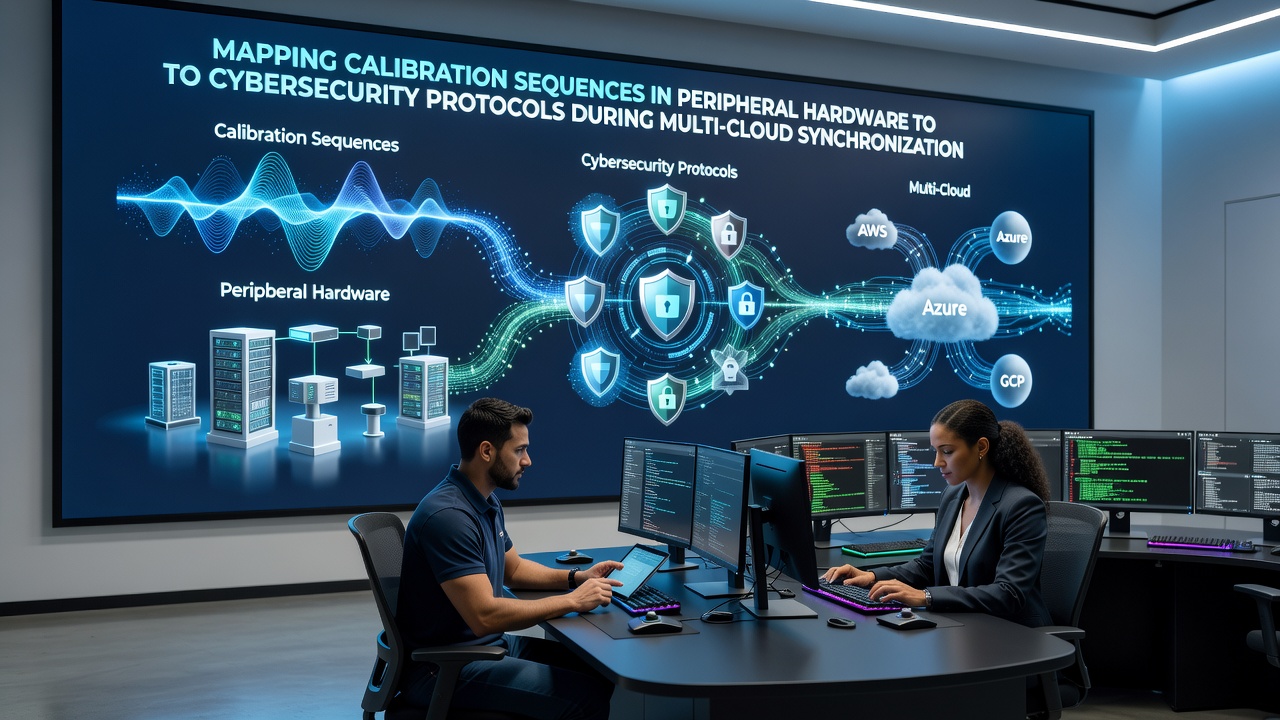
Engineers map protocols by assigning each calibration sub-step a corresponding control such as certificate pinning during sensor alignment or runtime attestation during benchmark execution, and these mappings reside in configuration repositories that orchestration tools pull automatically when new device clusters join the environment. Research conducted at the University of Melbourne's cybersecurity laboratory revealed that explicit mappings lowered false-positive security alerts by 41 percent in hybrid setups that combined edge hardware with three separate cloud platforms.
Monitoring and Validation Practices
Continuous monitoring collects calibration metrics alongside security posture scores so that anomalies in one domain trigger immediate reviews in the other, while validation scripts compare expected calibration outcomes against cryptographic proofs stored in immutable ledgers. Organizations that maintain these dual data streams report fewer drift incidents between hardware states and declared security baselines according to internal metrics shared at industry conferences.
Conclusion
The practice of mapping calibration sequences to cybersecurity protocols continues to evolve as multi-cloud environments expand, and organizations that maintain explicit connections between hardware milestones and security controls demonstrate measurable reductions in both operational failures and unauthorized access events. Updated standards scheduled for July 2026 reinforce the requirement for synchronized logging and verifiable checkpoints, providing a clearer framework for teams managing distributed peripheral fleets.